Reviewed · TOURS
From Seattle: Mt Saint Helen Tour
Mount St. Helens is not simply a mountain with a nice view. It is a volcano whose 1980 eruption changed the shape of the peak, erased a huge area of forest, and created a living outdoor lesson in geology and recovery. This tour takes you into that story, with time at Johnston Ridge Observatory, Coldwater Ridge, and Coldwater Lake.
I like the small-group format, limited to 14 people, and I like that pickup, drop-off, and bottled water are included. Guides Bob and Chad are names connected with especially patient and flexible outings, and that matters when you want time to read displays, ask questions, or adjust the day.
The main drawback is the long, full-day schedule and the lack of meals. You need to bring breakfast and lunch, and the Johnston Ridge stop is seasonal, so check that the planned route matches your travel dates.
Key points to know before booking
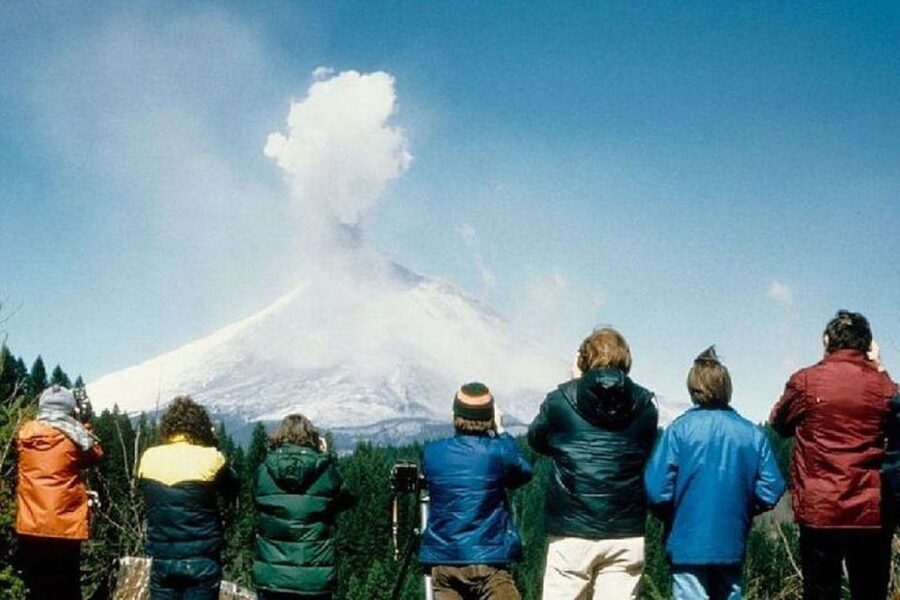
- The 1980 blast zone is the heart of the day: Johnston Ridge puts you about 8 kilometers north of the summit, in the center of the area affected by the eruption.
- You get more than a viewpoint: The day combines volcano science, local history, scenic stops, and signs of forest and wildlife recovery.
- A group of up to 14 keeps the tour personal: That is small enough for questions without the feel of a large coach outing.
- Johnston Ridge Observatory is seasonal: Its monitoring equipment and exhibits are a major part of the experience, but access depends on the time of year.
- Coldwater Lake adds a calmer counterpoint: After the stark blast zone, the lake gives you another way to see how the area has changed.
- Plan your food: Breakfast and lunch are not included, while bottled water is provided.
Why Mount St. Helens still feels so different
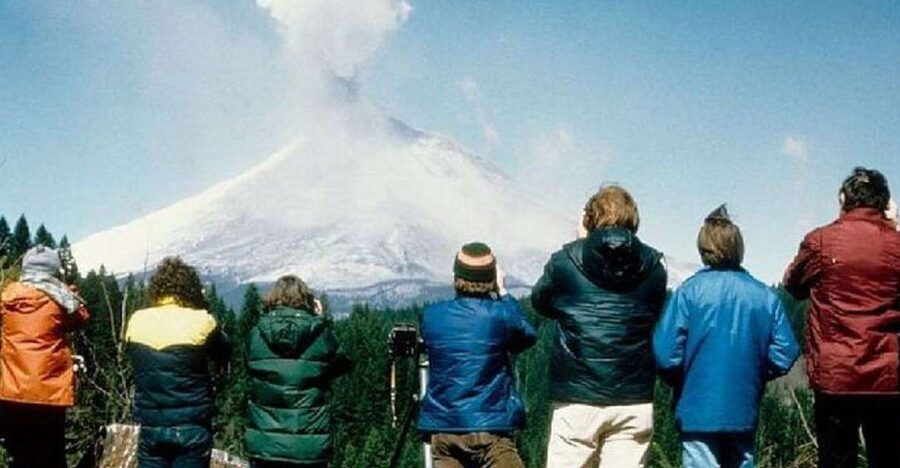
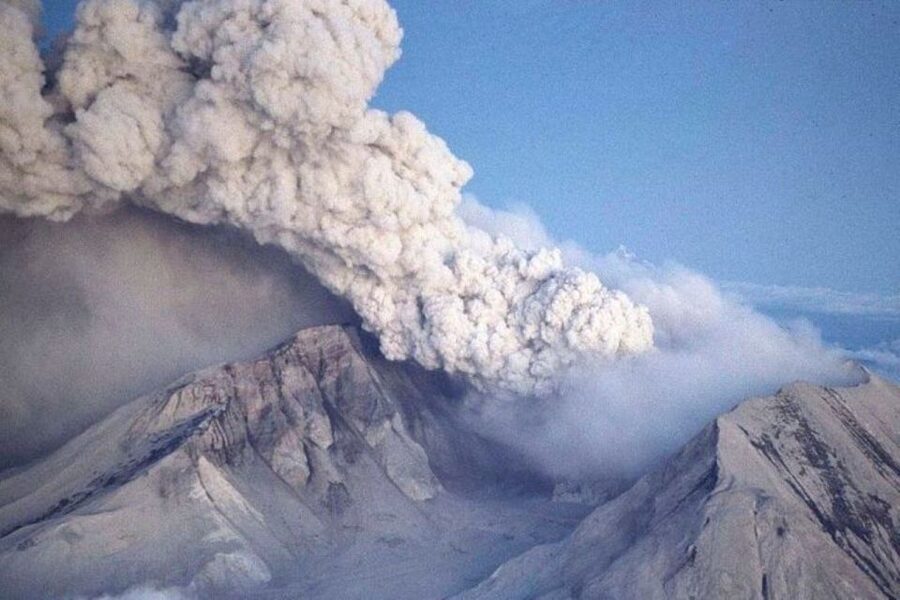
The striking thing about Mount St. Helens is the scale of change. The 1980 eruption altered the summit and permanently reshaped the surrounding area. You are not just looking at a distant volcanic cone. You are seeing a place where geology, human loss, forest recovery, and scientific monitoring all meet.
The mountain is also tied to a specific human story. Johnston Ridge was named for David Johnston, the USGS volcanologist who was working at the Coldwater II observation point when the eruption occurred. He was one of 57 people who lost their lives that day.
That detail gives the visit weight without turning it into a solemn memorial stop only. The observatory also houses seismic, deformation, and other monitoring equipment. Those systems send information to the USGS Cascades Volcano Observatory for analysis, so you can connect the history of the eruption with the ongoing work of watching active volcanoes.
I find that combination useful. You get the dramatic view, but you also learn why scientists continue to measure and study the mountain. The tour works best for you if you enjoy understanding what you are seeing, not just taking a quick photograph and moving on.
Other Seattle outings people pair with this one:
- Beneath The Streets Underground History Tour
★ 4.5 · 8,006 reviews - Chef Guided Food Tour of Pike Place Market
★ 5.0 · 3,733 reviews - Mt. Rainier National Park Highlights Tour
★ 5.0 · 3,156 reviews
The Seattle pickup and the rhythm of a nine-hour day
The tour begins and ends in Seattle, with pickup and drop-off included. That makes the day simpler than arranging your own route, especially if you do not want to drive into the Mount St. Helens area or plan the stops yourself.
The advertised duration is nine hours. The supplied stop schedule lists about four hours around Mount St. Helens, one hour at Coldwater Ridge Visitor Center, four hours at Johnston Ridge Observatory, and one hour at Coldwater Lake. Actual timing can vary, so I would treat the schedule as a guide rather than a promise that every stop receives exactly that amount of time.
This is a full day, not a quick scenic outing. You should be ready to spend much of the day moving between Seattle and the volcano, with several sightseeing stops along the way. The small group helps because the guide can respond to questions and the pace may feel less rigid than on a large bus.
Two past guide names are worth noting. Bob led a private outing that included Ape Cave and the south side of the volcano, while Chad was praised for being punctual, patient, flexible, and willing to offer choices at different stops. Those details do not guarantee which guide you will receive, but they show the value of asking about the guide when you book, especially if personal attention matters to you.
Scenic views on the way to Mount St. Helens
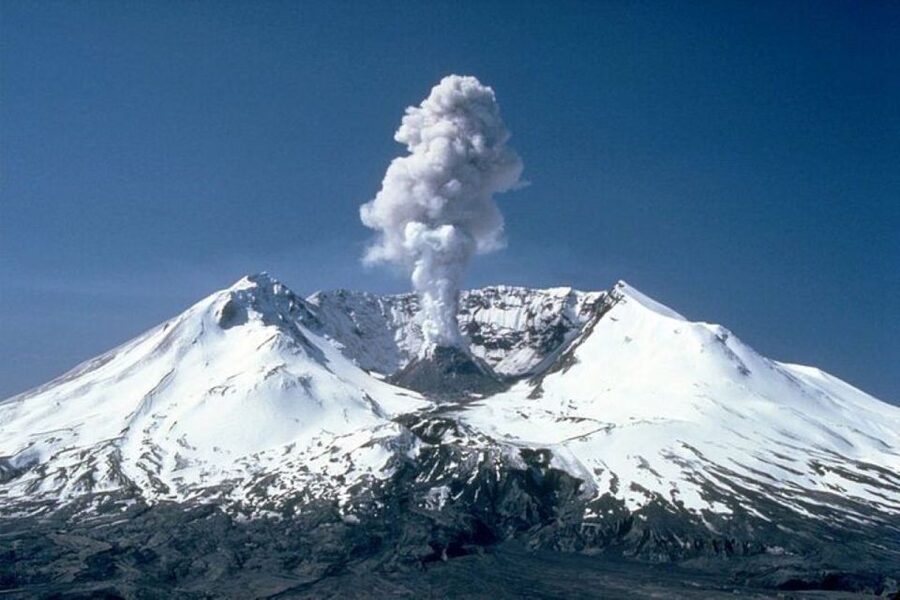
The first main portion of the day is the journey toward Mount St. Helens, with scenic views along the route and about four hours connected with the mountain visit. The information provided does not specify every roadside stop, so you should not expect a fixed list of photo pullouts.
What you can expect is a gradual shift from ordinary travel into a geological sightseeing day. Your guide can place the mountain in context as you approach it, then help explain how the 1980 eruption changed the summit and surrounding land.
I like having a guide for this part because volcanic scenery can be easy to admire without understanding. A bare slope, a changed ridgeline, or a patch of returning growth means more when someone explains the forces behind it. The tour also includes discussion of the flora and wildlife involved in reforestation, giving you a way to look for signs of recovery rather than seeing only destruction.
The exact balance between driving, viewing, and discussion depends on the day. If you need a tightly timed schedule, this may feel loose. If you prefer to pause for questions and take in the setting, that flexibility can be a real advantage.
Coldwater Ridge Visitor Center and the story of the blast
The Coldwater Ridge Visitor Center is scheduled as a guided sightseeing stop of about one hour. Its location connects directly with the eruption story and with the nearby observation point associated with David Johnston.
An hour is enough for a focused visit, but not a leisurely museum day. You will want to read the displays, listen to the guide, and ask questions without trying to absorb every detail. A patient guide makes a difference here. Chad, in particular, has been associated with giving people time to read signs and offering options at stops.
This is also a good place to think about the human side of the eruption. The 1980 event was not only a geological event. It affected communities, forests, wildlife, and the people who studied the volcano. Learning about David Johnston and the 57 deaths helps you understand why the mountain carries such a strong place in American natural history.
The drawback is that the visitor center stop may feel brief if you read slowly or want a long period of quiet observation. I would keep your questions focused and listen for the guide’s explanation of how the visitor center fits with the wider blast zone.
Same city, a very different way to spend the day:
- Seattle: Guided Underground Walking Tour
★ 4.6 · 2,144 reviews - Seattle’s Original Guided Harbor Cruise
★ 4.5 · 2,077 reviews - Seattle City Highlights Tour
★ 5.0 · 2,000 reviews - Seattle: Space Needle & Chihuly Garden and Glass Ticket
★ 4.7 · 1,890 reviews
Johnston Ridge Observatory, 8 kilometers from the summit
Johnston Ridge Observatory is the main stop and the clearest reason to choose this experience. It sits on Johnston Ridge, about 8 kilometers north of the Mount St. Helens summit, in the center of the 1980 blast zone.
This is where the scale of the eruption becomes easiest to grasp. The ridge places you close to the changed geography, rather than leaving you with a distant mountain view. You can connect the summit, the blast area, the reforestation work, and the scientific monitoring in one setting.
The observatory building contains seismic, deformation, and other monitoring equipment. The data is relayed to the USGS Cascades Volcano Observatory for analysis. That gives the stop a working-science angle. You are not only looking at a historic site; you are seeing a place connected to continued volcano observation.
The observatory is open seasonally. That is an important planning point, and you should confirm that it is operating for your date before you rely on it as the centerpiece of the day. If it is open, the stop is scheduled for about four hours, which allows much more breathing room than the one-hour visitor center visit.
Four hours is generous for a sightseeing stop, though the value depends on your interests. If you enjoy geology, natural history, and reading interpretive material, you will appreciate the time. If you mainly want a quick photograph, the schedule may feel long.
I would use the time in three ways: first, take in the view and the changed summit; second, read enough to understand the eruption; and third, ask your guide about reforestation, wildlife, and the monitoring work. That turns the stop from a viewpoint into a lesson you can remember.
Coldwater Lake and the signs of recovery
Coldwater Lake is scheduled for a guided visit of about one hour. It gives the day a different mood from Johnston Ridge. The observatory and blast zone focus on force and sudden change, while the lake helps you consider what happened afterward.
The tour description points to the flora and wildlife involved in reforestation, so this is a useful place to pay attention to recovery. Do not expect the area to look like an untouched forest. The point is to see how life returns after a major disturbance and how the land continues to change.
A guided stop also means you can ask how Coldwater Lake fits into the volcanic story. The supplied details do not promise a particular walk, trail length, or set of wildlife sightings, so keep your expectations centered on sightseeing and explanation rather than a specific hike.
I like this stop because it keeps the experience from becoming only a disaster story. Mount St. Helens is remembered for the eruption, but the area is also about renewal, scientific study, and the slow work of nature.
What the $285 price includes
At $285 per person, this is not a budget sightseeing ride. The value comes from combining transportation from Seattle, a live English-speaking guide, a small group of no more than 14 people, and access to several Mount St. Helens stops in one day.
Pickup and drop-off remove the need to arrange your own transport. That matters because the mountain is the sort of destination where route planning, seasonal access, and deciding how much time to spend at each stop can become a chore. Bottled water is included, but breakfast and lunch are not, so the price does not cover the full cost of your day.
I think the price makes the most sense for you if you value interpretation and convenience. A self-guided visit may cost less, but you would need to handle the driving, research the stops, and build the day around seasonal access. Here, you pay for someone to connect the geology and history as you go.
The price is harder to justify if you only want a mountain photo or if you dislike spending a full day on one natural attraction. This tour rewards curiosity. It is less about checking off a viewpoint and more about understanding why the mountain looks the way it does.
Who should book this experience
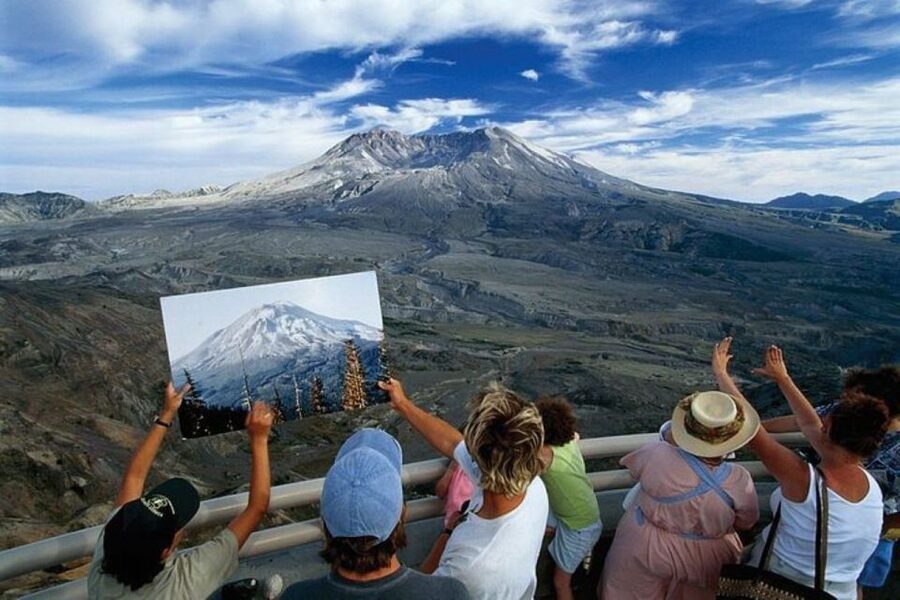
I would recommend this tour to you if you are interested in volcanoes, geology, natural history, or the way ecosystems recover after a major event. It also suits people who prefer a guide to explain the place rather than reading everything on their own.
The small group is helpful for solo visitors, couples, and families who want room for questions. A private booking may offer an even more personal pace, as shown by the outing that included Bob, Ape Cave, and the south side of the volcano, though the standard details describe a small group of up to 14.
This is not suitable for wheelchair users, according to the activity information. You should also be comfortable with a long day and with bringing your own meals. The tour is conducted in English.
Free cancellation is available up to 24 hours before the start time, and you can reserve now and pay later. Those terms give you some flexibility, but they do not replace checking the seasonal status of Johnston Ridge Observatory.
Should you book the Mount St. Helens tour?
Book it if you want a guided, full-day look at the 1980 eruption, the blast zone, the monitoring work, and the area’s recovery. Johnston Ridge Observatory is the key stop, and Coldwater Ridge and Coldwater Lake add useful context.
Skip it if you want a short outing, a low-cost transfer, or a day built around a long hike. The $285 price is reasonable for a small-group guided day with Seattle pickup and drop-off, but only if you will use the interpretation and the several-hour visit at Johnston Ridge.
Before booking, confirm the seasonal operation of the observatory, ask which guide is scheduled, and pack breakfast and lunch. If you do that homework, this is a strong choice for seeing Mount St. Helens as a living scientific site, not just a dramatic mountain in the distance.
FAQ
Where does the Mount St. Helens tour begin and end?
The tour provides pickup in Seattle and returns you to Seattle at the end of the day.
How long does the tour last?
The advertised duration is nine hours. Starting times depend on availability.
What is the price per person?
The listed price is $285 per person.
What is included in the price?
Pickup and drop-off, bottled water, and a live English-speaking guide are included.
Are meals included?
No. Breakfast and lunch are not included, so you should plan to bring or arrange your own food.
How large is the tour group?
The experience is offered as a small-group tour with a maximum of 14 participants.
Is the tour available in languages other than English?
The stated tour language is English.
Is Johnston Ridge Observatory open all year?
Johnston Ridge Observatory is open seasonally. You should check availability for your intended date.
Can I cancel the tour for a refund?
You can cancel up to 24 hours in advance for a full refund. You can also reserve now and pay later.
Recently added around Seattle
- One – Way Transfer from Pier 66 to SeaTac international Airport★ 3.5 · 3 reviews
- Where the Hops Grow! Yakima Brewery Tour★ 5.0 · 3 reviews
- Winter Day Tour to Longmire on Mount Rainier from Seattle★ 5.0 · 4 reviews
- Yellowstone Grand Teton and Coeur d’Alene 5-Day Tour from Seattle★ 5.0 · 5 reviews
- Private Cascade Mountains and Waterfalls Tour from Seattle★ 5.0 · 6 reviews
- Food Tasting & Arts Tour of Pike Place Market★ 5.0 · 27 reviews
- Enjoy Woodinville Winery area by Chauffeured Private Vehicle★ 3.5 · 5 reviews
- Awesome Scavenger Hunt: Seattle By The Sound★ 3.5 · 3 reviews
Tours, compared.