
Reviewed · SEATTLE UNDERGROUND TOURS
Seattle: Guided Underground Walking Tour
Seattle’s streets hide a second city below them. On this one-hour tour beneath Pioneer Square, you walk through three passageways from the 1890s and see the old level of Seattle before engineers raised the streets above the swampy ground.
I like the clear connection between disaster and city planning. The 1889 Seattle Fire is not treated as an isolated tragedy, since the tour shows how rebuilding led to higher roads, retaining walls, and a new street system. I also like the guides’ lively style. David, Dave, Eowyn, Jim, and others are praised for mixing solid history with dry humor and the occasional dad joke.
The main drawback is physical: six flights of stairs, uneven ground, and no elevator access. The passageways are historic, not a polished museum set, so you come for atmosphere, construction details, and storytelling rather than staged rooms or elaborate displays.
Key points to know before you go
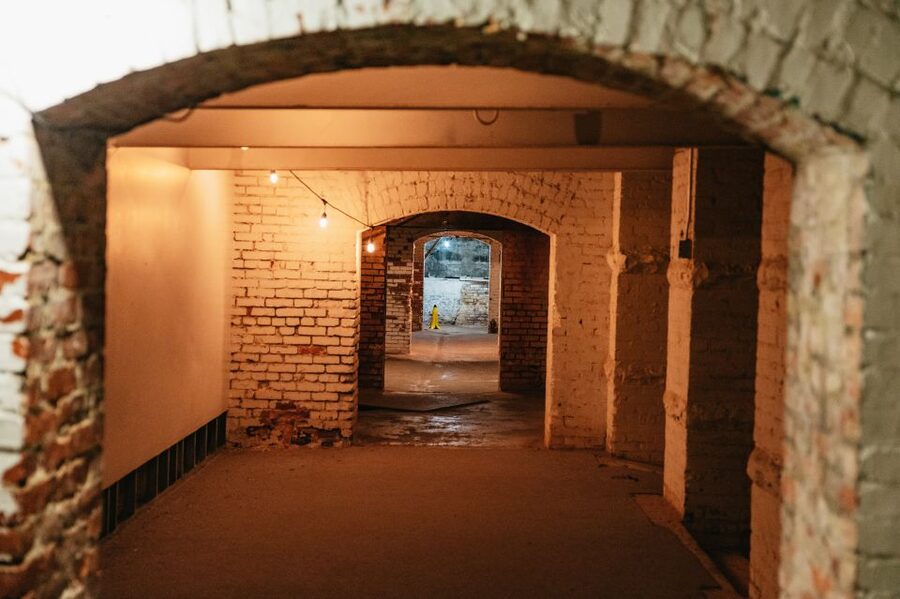
- Three underground passageways: Walk through sections built in the 1890s beneath more than four blocks of Pioneer Square.
- Seattle Fire context: Learn how the 1889 fire reshaped the city and led to streets being raised above the original grade.
- Strong storytelling: Guides such as David, Dave, Eowyn, Jim, and Terrilyn bring humor and personal energy to the history.
- One-hour format: The compact length works well before lunch or as a first look at Seattle’s oldest downtown district.
- Stairs are unavoidable: Six flights and uneven surfaces make this unsuitable for people with mobility impairments.
- Good value at $31: You get a live guide, a focused history lesson, and access to a part of Seattle you cannot understand from street level alone.
Beneath Pioneer Square, Seattle’s buried first floor
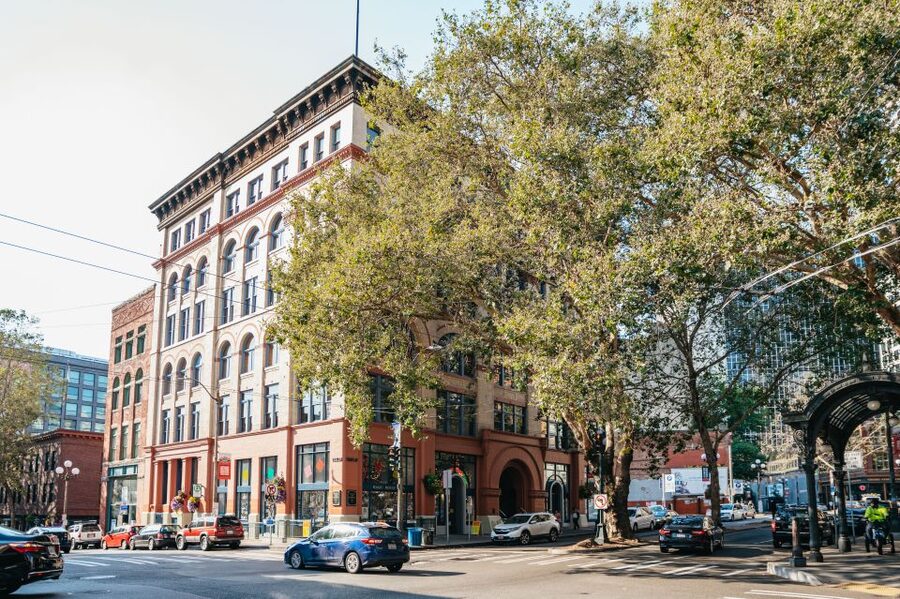
The tour begins under Cherry Street Coffee, where you look for the black and purple Beneath the Streets sign and take the stairs to the reception desk. This meeting point is easy to miss if you are simply walking through Pioneer Square, so give yourself enough time to find the entrance.
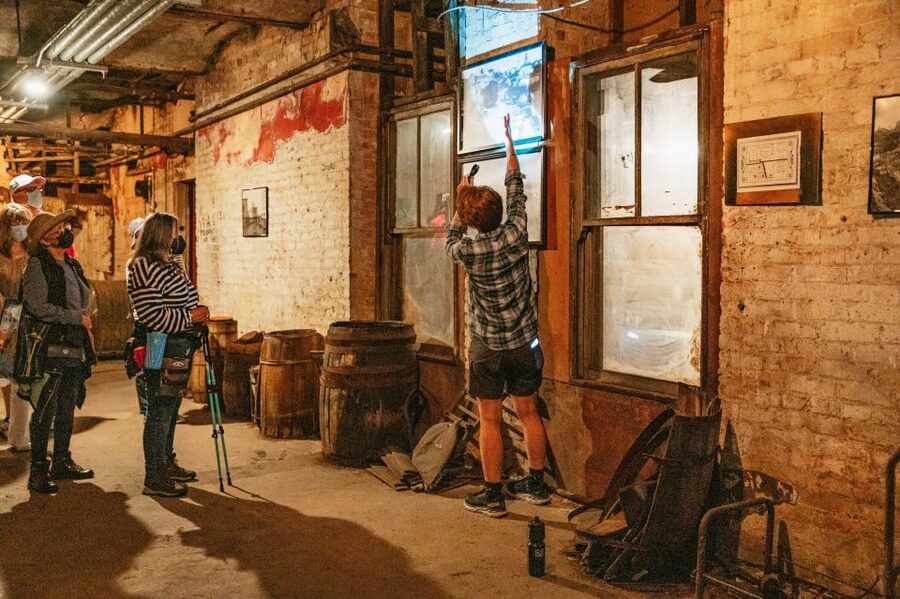
From there, the guide leads you below the current streets and into Seattle’s earlier building level. The striking idea is simple: the city you see above was built over parts of the city that came before it. Old passageways, buried storefronts, and retaining structures make that change visible.
I like tours that let you connect a city’s past to its present street plan. Here, you are not only hearing that Seattle changed after a major fire. You are standing where the old grade, old walls, and former commercial spaces help explain why the modern streets sit several feet higher.
The route covers more than four city blocks of Pioneer Square, though the tour itself lasts only about an hour. That makes it a focused experience rather than a long architectural walk. You get a concentrated look at one neighborhood and one major chapter in Seattle’s development.
More underground tours in Seattle:
- Beneath The Streets Underground History Tour
★ 4.5 · 8,006 reviews - Seattle Half Day Tour with Space Needle, Boat Ride & Underground
★ 3.5 · 9 reviews - Seattle: Small Group Tour W/Space Needle, Boat & Underground
★ 3.0 · 5 reviews
Three 1890s passageways and what they reveal
The central part of the experience is the walk through three historic underground passageways. These spaces were originally constructed in the 1890s, and their value is not just visual. They show how practical city building decisions can leave behind an unusual second layer.
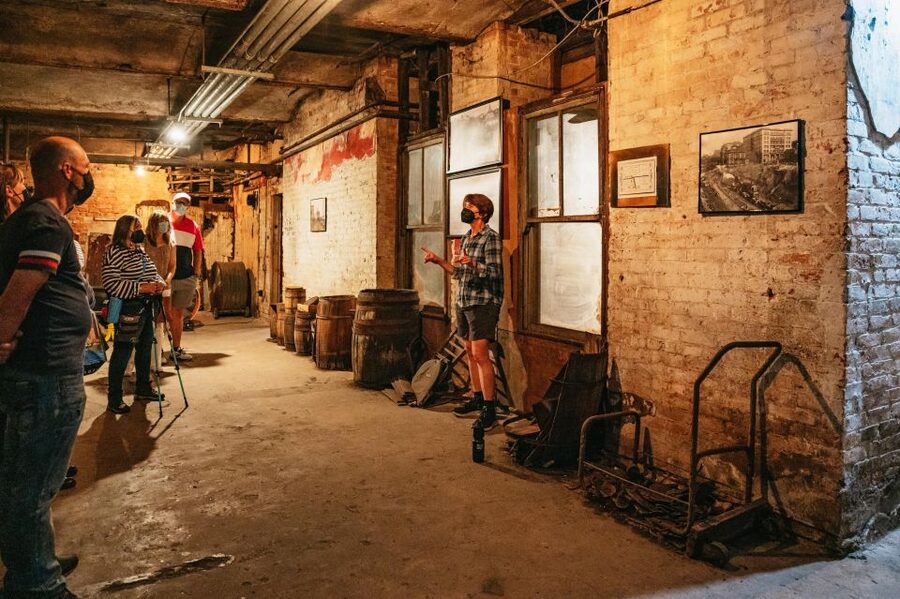
You can expect the guide to point out old sections of the underground, historic architecture, and places where the former street level still makes sense. The setting helps you picture Seattle before the raised roads covered much of this lower city.
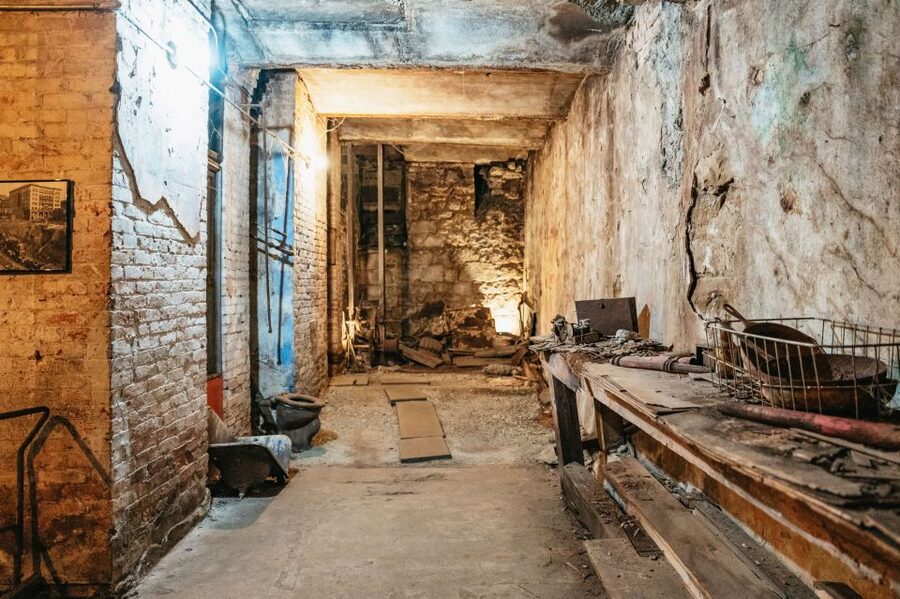
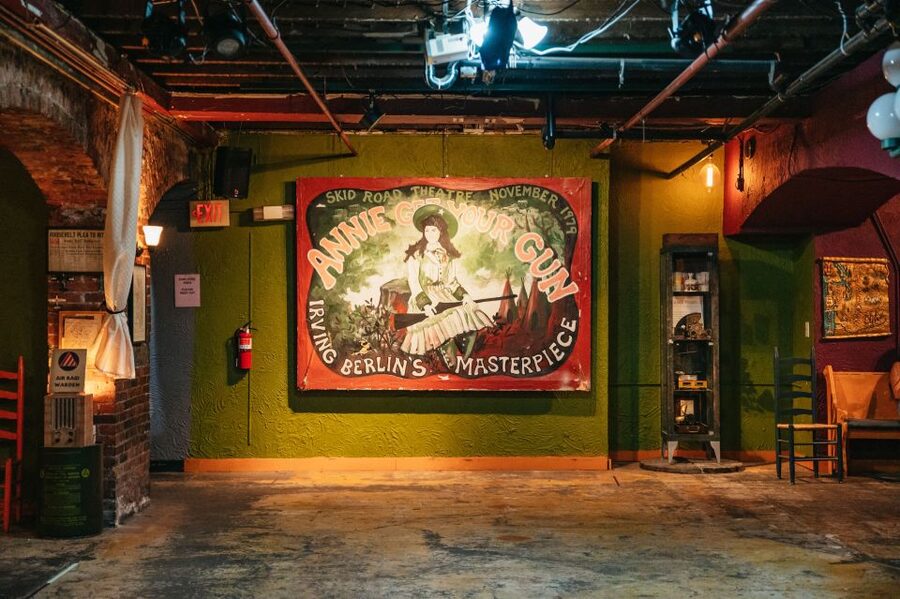
Do not expect a fully reconstructed attraction with every room dressed for a period movie. One of the useful things about this tour is its more direct approach. The atmosphere comes from the actual structures, the low underground spaces, and the story of how the city was rebuilt. The history is carried mainly by your guide.
Some areas may feel plain compared with a museum exhibit. That is part of the tradeoff. If you want large displays and staged interiors, this may feel spare. If you prefer seeing original infrastructure and using your imagination, the bare spaces make the explanation more convincing.
The old storefronts and buried streets are especially helpful for understanding how commerce and daily life once worked at a lower level. The underground is not simply a collection of tunnels. It is evidence of a city that changed its elevation and then left parts of its earlier form behind.
The 1889 fire and Seattle’s decision to rebuild higher
The Seattle Fire is the tour’s turning point. Large parts of the city were destroyed, and rebuilding gave local leaders a chance to correct problems tied to Seattle’s swampy ground and low streets.
The important lesson is that the underground passageways were not created as a separate secret city from the start. They became part of the story because Seattle rebuilt above its earlier level. Retaining walls were added alongside streets, and the space between those walls was filled to create new roads several feet higher than the original ones.
That sounds technical until you see the result below your feet. Then the city’s unusual arrangement becomes easier to understand. A storefront or passage that seems too low may actually be sitting at the former street level, while the road above belongs to a later version of Seattle.
I find this kind of urban history more useful than a list of dates. It explains why Pioneer Square looks and feels different from newer parts of downtown. The tour links fire, construction, drainage, traffic, and city growth in a way that gives you a better sense of how Seattle was shaped.
The guide also covers Seattle’s early formation and the tragedies that affected the city as it developed. The stories are presented as part of a larger account of settlement and rebuilding, not just as spooky underground tales.
The guides make the short route work
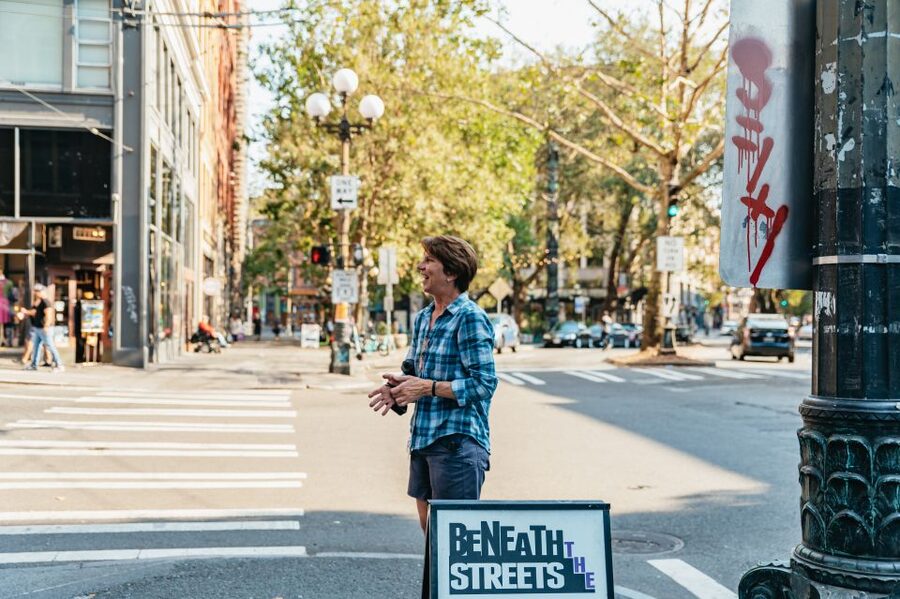
A one-hour tour leaves little room for a slow, academic lecture. The guide has to keep moving while making the story easy to follow, and this is where the experience earns much of its appeal.
David is repeatedly singled out for his energy, humor, and command of Seattle’s past. He is also praised for learning where people came from and working those details into the hour. Dave receives similar praise for making the history light without losing the facts.
Other named guides include Eowyn, Jim, Terrilyn, Patti, Mark, Mike, Jennifer, Imojen, Richard, Carter, Sara, and Sarah. The range of names matters because your exact guide can shape the tone of the experience. The common thread is an entertaining, personable presentation rather than a dry recitation.
You might hear dry East Coast humor, corny jokes, or dad jokes along the route. That will suit most people, especially families and groups who like history served with a relaxed tone. If you prefer silence and a formal museum lecture, the frequent humor may feel less suited to your taste.
The best guides use humor to help you remember the details. You are more likely to recall why the streets were raised when the explanation comes with a clear story and a laugh. The many high ratings, including a 4.6 score from 2,144 reviews, point to this storytelling as the experience’s strongest feature.
More history walks in Seattle:
- Taste Pike Place Walking Food Tour
★ 5.0 · 930 reviews - Seattle Delicious Donut Adventure & Walking Food Tour
★ 5.0 · 772 reviews - Haunted Seattle Booze and Boos Ghost Walking Tour
★ 5.0 · 572 reviews - Seattle: Terrors and Ghosts Guided Walking Tour
★ 4.3 · 204 reviews
What the route feels like under the streets
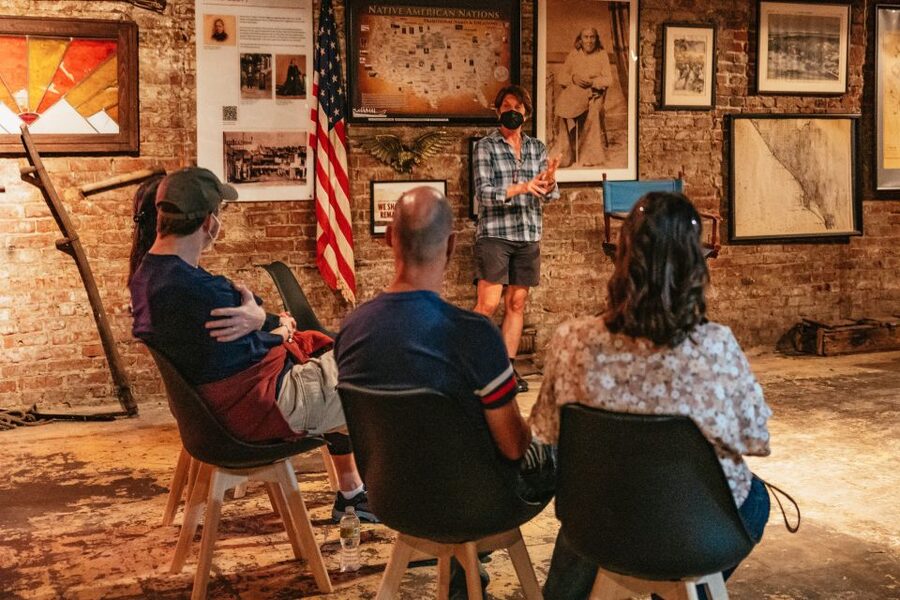
This is a walking tour, not a ride or a viewing platform. You move through underground areas and also spend some time outside, connecting what you see below with the streets above. That combination matters because the underground spaces make more sense when you can compare them with the present-day neighborhood.
Expect stairs throughout the route. There are six flights in total, and there is no elevator. The ground can be uneven, so comfortable shoes are not a minor suggestion. They are the right choice for both the stairs and the underground surfaces.
The spaces may feel darker, cooler, or more confined than the streets above, though the supplied details do not specify exact temperatures or lighting. You should be ready for an old structural environment rather than a modern visitor center.
Strollers may be carried up and down the stairs or stored in the ticket office during the tour. Pets are not allowed. People with mobility impairments should skip this particular activity because the stairs and lack of elevator access are central limitations, not small inconveniences.
The tour is also outside and underground, so Seattle weather can affect the aboveground portions. Wear shoes you can walk in comfortably and dress for a short outdoor walk as well as the passageways.
Why the one-hour length is useful
At $31 per person, this is not the cheapest way to spend an hour in Seattle, but the price is reasonable if you value access and interpretation. You are paying for a live English-speaking guide, entry into historic underground areas, and a compact explanation of how Pioneer Square developed.
The one-hour length is a genuine advantage for many schedules. You can fit it into a morning before other downtown plans, and a 10 a.m. start can work well as an introduction to the city. Several people specifically find the time frame well judged because it gives enough history without turning the tour into a half-day commitment.
The limit is that Seattle’s early development covers a lot of ground. The guide must condense settlement, the fire, street construction, and the underground’s later uses into sixty minutes. You will leave with a strong framework, not every detail.
If you already enjoy city planning, architecture, or local history, you may wish the tour were longer. If you want a memorable orientation to Pioneer Square, the short format is more helpful than tiring.
The flexible booking terms also reduce the risk. You can reserve and pay later, and cancellation is allowed up to 24 hours in advance for a full refund. Check the available starting times when booking because the schedule can affect how easily you fit it into your day.
Who will enjoy this tour most
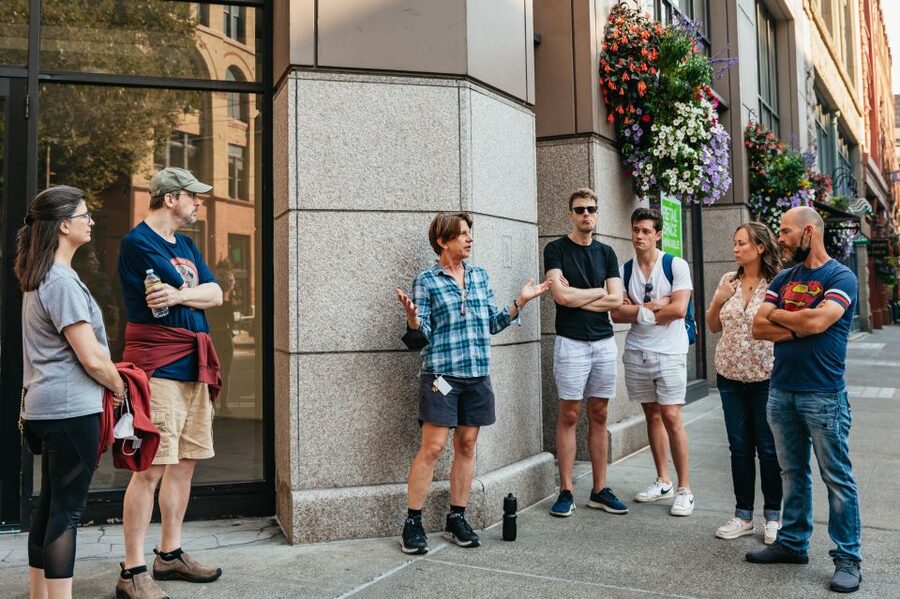
I would choose this tour for a first visit to Seattle, especially if you plan to spend time around Pioneer Square afterward. Once you understand the buried street level and the raised roads, the neighborhood’s architecture becomes easier to read.
It also suits local residents. The tour is not limited to basic sightseeing, and people who have lived in the Seattle area for years may still learn something about the city’s settlement, rebuilding, and underground use.
Families can enjoy it, provided everyone is comfortable with stairs and uneven ground. The humor helps keep the hour moving, while the unusual setting gives children a clear visual story: a city once stood lower, then rebuilt above itself.
History fans, architecture students, and anyone curious about infrastructure will get the most from the retaining walls and raised streets. The tour is less suited to anyone looking for a polished theatrical show, a long walk through many parts of Seattle, or a step-free activity.
There is also a separate nighttime option with more adult stories, according to the available information, but this daytime experience is the better fit for families and anyone seeking the city’s construction history.
Small details that improve the experience
Arrive early enough to locate Cherry Street Coffee and the entrance below it. The Beneath the Streets sign is the key landmark, and the stairs lead to the reception desk.
Wear sturdy, comfortable shoes. Six flights of stairs can feel more demanding than the one-hour duration suggests, especially if you are already walking around downtown.
Listen for the connection between the outside streets and the underground structures. The best part is not any single passageway. It is seeing how the old level, the retaining walls, and the present roads fit together.
Keep an open mind about the presentation. The tour may include photographs or visual material, but this is not a fully staged attraction. Its strength is the real underground setting and the guide’s explanation.
If you are comparing tours, pay attention to the guide’s style as much as the subject. David, Dave, Eowyn, Jim, and the other named guides are praised for being funny, engaging, and clear. That personal delivery is a major part of what you are buying.
Should you book Beneath the Streets?
Book it if you want a concise, story-led look at Seattle’s past and do not mind stairs. At $31, it offers good value for a guided hour that gives you access to historic passageways and explains why Pioneer Square sits above an older version of itself.
Skip it if you need step-free access, dislike uneven ground, or expect staged rooms and a large museum-style display. For most visitors with comfortable shoes and an interest in how cities change, this is one of the more distinctive ways to begin understanding Seattle.
FAQ
How long is the Seattle Underground Walking Tour?
The tour lasts one hour. Check the available starting times when booking.
How much does the tour cost?
The listed price is $31 per person.
Where does the tour meet?
The meeting point is underneath Cherry Street Coffee. Look for the Beneath the Streets black and purple sign, then take the stairs down to the reception desk.
What language is the tour offered in?
The tour is led live in English.
How many underground passageways will I see?
The route includes three historic passageways originally constructed in the 1890s.
Are there stairs on the tour?
Yes. There are six flights of stairs, and no elevator access is available.
Can I bring a stroller or pet?
Strollers may be carried up and down the stairs or stored in the ticket office during the tour. Pets are not allowed.
More walking tours in Seattle
- Welcome to Seattle Walking Tour
★ 5.0 · 157 reviews - Seattle: Coffee Culture Walking Tour
★ 4.8 · 84 reviews - Space Needle & Seattle Center Small Group Private Walking Tour
★ 5.0 · 25 reviews - Seattle Holiday Donut Adventure & Walking Food Tour
★ 5.0 · 9 reviews
Recently added around Seattle
- One – Way Transfer from Pier 66 to SeaTac international Airport★ 3.5 · 3 reviews
- Where the Hops Grow! Yakima Brewery Tour★ 5.0 · 3 reviews
- Winter Day Tour to Longmire on Mount Rainier from Seattle★ 5.0 · 4 reviews
- Yellowstone Grand Teton and Coeur d’Alene 5-Day Tour from Seattle★ 5.0 · 5 reviews
- Food Tasting & Arts Tour of Pike Place Market★ 5.0 · 27 reviews
- Private Cascade Mountains and Waterfalls Tour from Seattle★ 5.0 · 6 reviews
- Enjoy Woodinville Winery area by Chauffeured Private Vehicle★ 3.5 · 5 reviews
- Awesome Scavenger Hunt: Seattle By The Sound★ 3.5 · 3 reviews
Seattle Underground Tours, compared.

Seattle Half Day Tour with Space Needle, Boat Ride & Underground
Read our review →
Small Group Tour W/Space Needle, Boat & Underground
Read our review →Browse the lists this tour appears in