
Reviewed · BOEING FACTORY AND MUSEUM OF FLIGHT TOURS
From Seattle: Boeing Factory and Future of Flight Tour
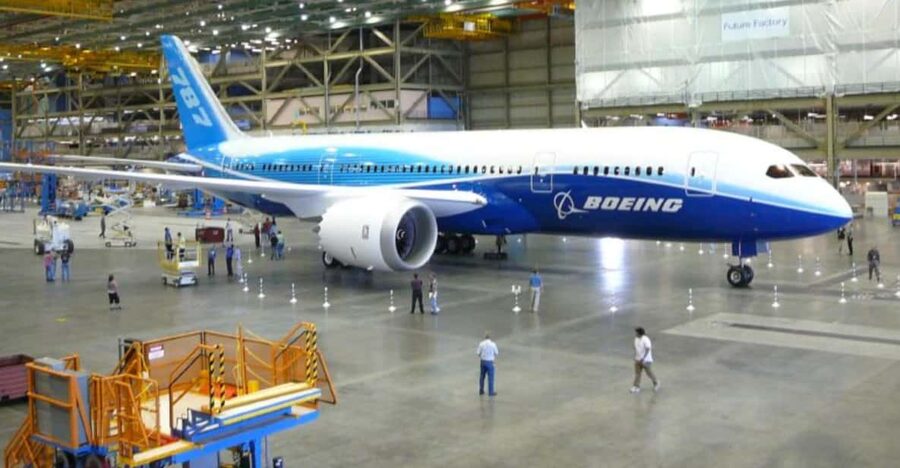
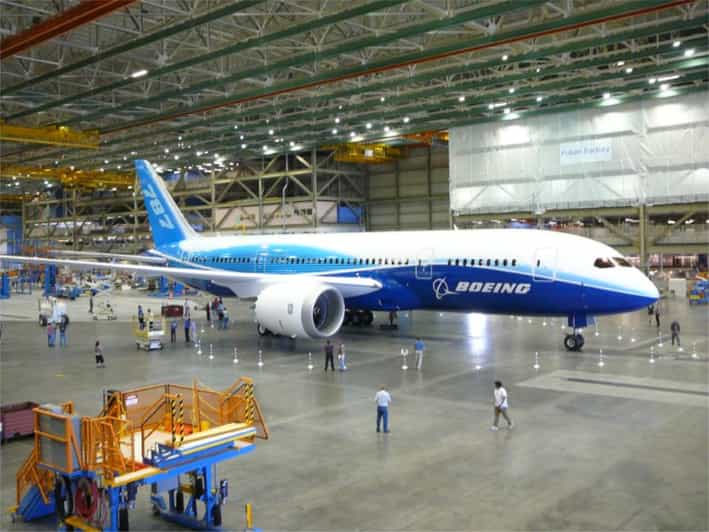
The striking thing here is scale. Boeing’s Everett plant is so large that the factory building has room for aircraft such as the 747, 777, and 787 Dreamliner at different stages of assembly. From Seattle, you get a half-day visit without having to arrange the long trip north yourself.
I like the downtown pickup and the lively ride commentary, especially when guides such as James Grindell, Matthew, and DC turn the 45-minute drive into a useful introduction to Boeing and Seattle. I also like the chance to see working production areas rather than only polished museum aircraft. The drawback is that the factory visit is more controlled and brief than some people expect. Much of the viewing takes place from elevated platforms, and one section may give you only about ten minutes of direct assembly-line viewing.
Key points
- See Boeing’s Everett assembly plant, where commercial aircraft are built in a building of astonishing size.
- Ride from central Seattle, with pickup beside the Hyatt Regency and return transport included.
- Hear Boeing and Seattle stories on the road, with guides known for strong aviation knowledge and good humor.
- Visit Future of Flight, including interactive displays, a flight simulator, and a Dreamliner cabin mockup.
- Plan for a hands-free factory visit, with no phones, cameras, bags, food, or drinks inside the Boeing tour.
- Expect about 4.5 hours door to door, including transport, the factory visit, and the aviation center.
The Seattle pickup makes this an easy half-day
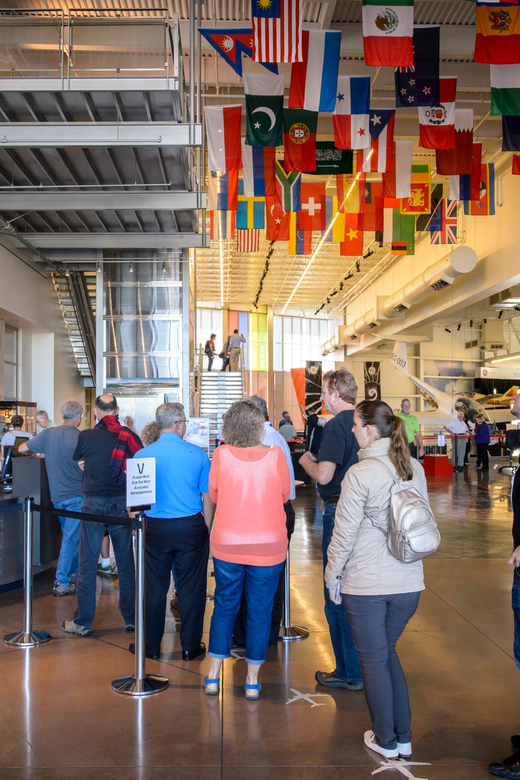
Your coach leaves from the charter bus zone beside the Hyatt Regency, on the east side of 8th Avenue between Olive and Stewart Streets. Arrive 15 minutes early. The meeting point is practical, and if you get there ahead of time, the hotel has an espresso shop on its second floor for coffee and pastries.
The trip to Everett takes about 45 minutes. That road time is not dead time. Your guide drives and talks about William Boeing, Boeing’s early interest in flight, Seattle, and the growth of the Everett site. James Grindell has been especially good at turning the ride into an informal aviation lesson, while Matthew and DC have also been praised for their humor, local stories, and clear explanations.
That guide-led ride is a major part of the value. You do not simply arrive at the factory cold, then try to make sense of what you see. You get basic context first, which helps when you later look down at half-built aircraft and try to understand what each work area does.
The coach is described as comfortable, though you should be ready to climb three steps to board. The operator has sometimes offered several downtown drop-off choices on the return, which can save you a walk or another ride across central Seattle. Ask your guide about the available drop-off points that day.
More Boeing and Museum of Flight tours:
- Boeing Factory Tour with Guided Transport from Seattle
★ 4.5 · 1,247 reviews - The Museum of Flight Entrance Ticket
★ 5.0 · 477 reviews - Seattle: The Museum of Flight Entry Ticket
★ 4.6 · 24 reviews
Entering the world’s largest building
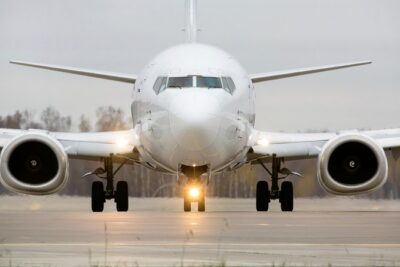
The Boeing Everett facility is the main event. It is associated with iconic aircraft including the 747, 777, and 787 Dreamliner, as well as newer production such as the 777X. The factory’s size is hard to grasp from a photograph. Inside, aircraft can look almost toy-sized even though they are sitting in a building often described as large enough to contain a small city or even Disneyland.
The experience is not a hands-on workshop. You do not walk up to an aircraft and touch the fuselage, sit in a cockpit, or wander freely among production teams. Instead, you follow a controlled route through the facility and view manufacturing from designated areas and elevated platforms.
That limitation matters. One of the most useful pieces of advice is to adjust your expectations before you go. This is an operating aircraft plant, not a theme park attraction. Safety and security shape the route, and the official factory portion may feel short, with some direct viewing lasting only around ten minutes.
Still, that short view can be powerful. You may see aircraft in several stages of assembly, which lets you compare an open airframe with a more complete jet. Seeing final assembly in person gives you a better sense of how many people, tools, checks, and stages are involved before an aircraft ever reaches an airport.
The 777X production area has been a particular highlight when visible. Aircraft programs and factory activity can change, so no guide can promise a specific model or stage of construction on every departure. The value comes from seeing an active commercial aircraft plant at work, not from checking off one exact airplane.
Why the factory rules matter
The Boeing factory tour is hands-free. You cannot bring a purse, handbag, waist pouch, backpack, binoculars, phone, tablet, camera, video equipment, drone, food, drink, or weapon. Smoking and vaping are also prohibited.
You can place belongings in a complimentary locker at Future of Flight or, depending on the arrangements that day, leave items secured on the tour shuttle. Take this seriously. A phone that remains in your pocket can create a problem at the entrance, and the factory does not offer restrooms during its roughly 1.5-hour visit.
The restrictions can feel severe if you are used to museum visits, but they protect an active industrial site and keep the group moving. Eat and use the restroom before the factory portion begins. Wear comfortable shoes, since the route covers about 1,600 feet, or 500 meters, and includes 21 stairs.
You may be able to use a wheelchair on the route with advance notice. Elevators are available on the floors at Boeing Future of Flight and during the factory visit, but the tour vehicle itself has no wheelchair lift. A wheelchair or mobility scooter must fold or collapse for storage, and you need to climb three coach steps. A limited number of wheelchairs are available at the aviation center, so request one when booking.
The Strato Deck and the best views
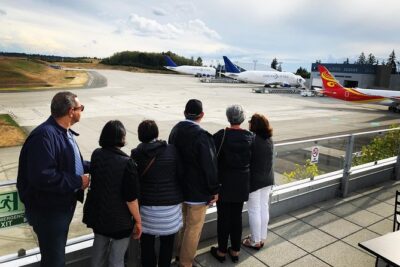
The Strato Deck gives you a chance to step away from the interior route and watch aircraft activity from above. It is also one of the better places to understand the size of the operation. People below can look tiny, while a commercial jet nearby reminds you how large these machines really are.
This is where the scale turns from an abstract fact into something you can see. The deck is useful for plane spotting and for taking in the factory grounds, though the factory itself remains a working site rather than a viewing platform designed around photography.
If you are hoping for a NASA-style attraction with access to historic capsules or large aircraft you can touch, you may find this more restrained. One visitor specifically wanted a more hands-on experience. That is a fair criticism. The Boeing visit is strongest when you value observation, production, and industrial scale over physical access.
Same city, a very different way to spend the day:
- Beneath The Streets Underground History Tour
★ 4.5 · 8,006 reviews - Chef Guided Food Tour of Pike Place Market
★ 5.0 · 3,733 reviews - Mt. Rainier National Park Highlights Tour
★ 5.0 · 3,156 reviews - Seattle: Guided Underground Walking Tour
★ 4.6 · 2,144 reviews
Future of Flight adds the museum side
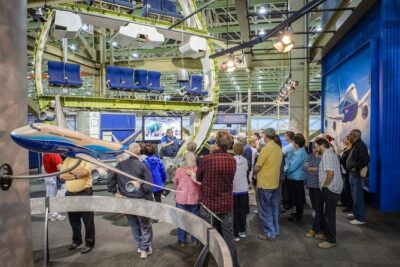
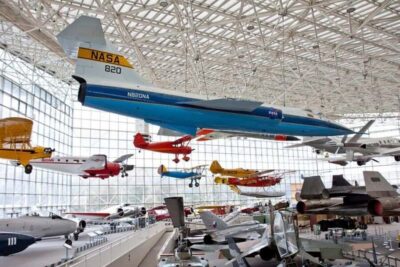
The Future of Flight Aviation Center balances the factory’s controlled production tour with displays you can explore more freely. Its gallery covers Boeing and aviation, with interactive exhibits, a flight simulator, and a mockup of the modern Dreamliner interior.
The Dreamliner cabin mockup helps connect the factory floor to the finished product. At the plant, you see structure and assembly. Here, you get a better sense of how the aircraft is presented to passengers once the technical work is complete.
The center also gives you access to restrooms, lockers, exhibits, and the gift shop. You may find this section especially useful if you have limited interest in manufacturing but still want a clear aviation experience. It offers a more accessible way to learn about aircraft design than standing behind a viewing rail in the factory.
The main caution is time. Some departures leave only a short period for independent exploration of the Future of Flight displays. If you want to try the simulator, inspect the Dreamliner mockup, browse the exhibits, and visit the shop, you may need to move at a fair pace. Ask your guide how much free time is scheduled before you settle into one display.
A guide can make or break the road time
The official Boeing guide leads the factory portion, but your Show Me Seattle guide shapes much of the day. The strongest guides add useful detail before and after the plant instead of treating the coach as a simple transfer.
James Grindell has been singled out for his enthusiasm and detailed Boeing stories. He has also driven guests to extra viewing points around the perimeter road when conditions allow, and one outing included watching the huge DreamLifter take off. That kind of extra stop is not a guaranteed part of every tour, but it shows what an aviation-focused guide can add.
Matthew has also been praised for mixing local Seattle information, Boeing facts, humor, and music during the drive. DC, also called Dave, has been described as an engaging guide who explains the factory and its setting in detail. The guide assigned to your departure will vary, so you should not book on the assumption that one named guide will be working.
The guide’s role matters most if you are not already an aviation expert. Terms such as final assembly, aircraft programs, and production stages make more sense when someone explains what you are looking at. If you already know a lot about aircraft, you may still enjoy the personal stories and local context.
Is $125 a fair price?
At $125 per person, this is not the cheapest way to reach Everett. One visitor noted that public transportation can cost less, then paid a smaller fee directly for the attraction. That option may suit you if you are comfortable arranging transport and matching schedules yourself.
The guided tour earns its price through convenience. You receive central Seattle pickup and drop-off, transport in a comfortable coach, a live guide, the Boeing factory admission, a Boeing guide, and the Future of Flight visit. You avoid planning the trip north, navigating the site, and working out how the different parts fit together.
The coach commentary adds value, too. A private visit may get you to Everett, but it does not automatically give you Seattle history, Boeing background, or an aviation-focused guide who can point out useful details along the way.
I would call the price fair for a first-time visitor who wants an organized half-day and does not want to drive. If you are mainly interested in the factory itself and are happy to make your own way north, compare the independent cost before booking. If you value a smooth plan and good storytelling, the extra money is easier to justify.
Who will enjoy this most?
This is an excellent choice for aviation fans, aircraft model enthusiasts, engineers, and anyone curious about how large commercial jets are made. It also works for families with older children, provided every child is at least four feet tall, or 122 centimeters. Children under 16 must stay with an adult, and babies are not allowed.
You do not need prior aviation knowledge. The guides explain enough background to make the visit approachable, and the Future of Flight exhibits give non-specialists something to do beyond watching assembly work.
The tour is less suitable if you want a slow museum visit, lots of photography, or close physical contact with aircraft. It is also a poor match if stairs and 500 meters of walking are difficult for you without advance arrangements. The facility has accessibility features, but the coach and factory rules still require planning.
Practical planning for a smoother visit
Wear comfortable shoes and arrive at the Hyatt Regency pickup point 15 minutes early. Keep your wallet and other small items easy to store, but do not plan to take a phone or camera into the factory.
Use the restroom before the factory portion, and eat before entering because food and drinks are not permitted. If you need a wheelchair, tell Show Me Seattle when you book. The coach cannot raise a wheelchair, and you must manage three steps to board.
Leave room in your expectations for changes. The factory is active, so the aircraft visible, production areas open, and exact timing can vary. A good guide may also make an extra perimeter stop, but that depends on the day.
Free cancellation is available up to 24 hours before departure, and you can reserve now and pay later. Those terms help if your Seattle schedule is still changing, but the practical details of the meeting point and item restrictions matter more for a trouble-free morning.
Should you book the Boeing factory tour?
Book it if you want to see commercial aircraft being built and prefer a guided half-day from Seattle. The plant’s scale, the chance to view production, and the lively road commentary make this more than a museum visit.
Skip it if you want a hands-on aircraft experience, extensive free time, or unrestricted photography. You should also compare independent transport if price is your main concern.
For most visitors, the best reason to book is the combination: Boeing production plus Future of Flight plus a guide who fills in the story. Go in expecting viewing platforms rather than close access, follow the hands-free rules, and you are likely to find the experience well worth the morning.
FAQ
Where does the tour leave from in Seattle?
Pickup is at the charter bus zone beside the Hyatt Regency, along the east side of 8th Avenue between Olive and Stewart Streets. Arrive 15 minutes before departure.
How long does the experience last?
The listed duration is 270 minutes, or about four and a half hours. This includes the coach ride from Seattle, the Boeing factory visit, and time at Future of Flight.
What aircraft might I see?
The Everett plant is associated with the 747, 777, and 787 Dreamliner. Depending on current production, you might also see work connected with the 777X. Specific aircraft and production stages can change.
Can I bring my phone or camera into the factory?
No. Phones, tablets, cameras, video equipment, drones, binoculars, bags, food, and drinks are not allowed on the Boeing factory tour. Lockers are available, and belongings may also be stored securely on the shuttle depending on the arrangements.
How much walking and stair climbing is involved?
The factory route covers about 1,600 feet, or 500 meters, and includes 21 stairs. Elevators are available, and wheelchair access is possible with advance notice.
Are children allowed?
Children must be at least four feet tall, or 122 centimeters, to enter the factory. Children under 16 must be accompanied by an adult, and babies are not allowed.
Is the tour wheelchair accessible?
Future of Flight is an accessible facility, and wheelchairs are available in limited numbers. The tour coach has no wheelchair lift, so a wheelchair or mobility scooter must fold or collapse, and you must be able to climb three coach steps.
Recently added around Seattle
- One – Way Transfer from Pier 66 to SeaTac international Airport★ 3.5 · 3 reviews
- Where the Hops Grow! Yakima Brewery Tour★ 5.0 · 3 reviews
- Winter Day Tour to Longmire on Mount Rainier from Seattle★ 5.0 · 4 reviews
- Yellowstone Grand Teton and Coeur d’Alene 5-Day Tour from Seattle★ 5.0 · 5 reviews
- Food Tasting & Arts Tour of Pike Place Market★ 5.0 · 27 reviews
- Private Cascade Mountains and Waterfalls Tour from Seattle★ 5.0 · 6 reviews
- Enjoy Woodinville Winery area by Chauffeured Private Vehicle★ 3.5 · 5 reviews
- Awesome Scavenger Hunt: Seattle By The Sound★ 3.5 · 3 reviews
Boeing Factory and Museum of Flight Tours, compared.
Boeing Factory Tour with Guided Transport from Seattle
Read our review →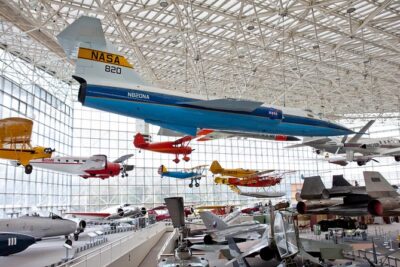
Boeing Factory Tour with Private Group Transport from Seattle
Read our review →
Browse the lists this tour appears in