
Reviewed · SEATTLE MUSEUM TICKETS
Pacific Science Center General Exhibit Admission
The Pacific Science Center puts a lot under one roof: free-flying butterflies, living tide-pool animals, robotic dinosaurs, and hands-on science experiments. I like that you can move from a tropical garden to Puget Sound ecology to engineering challenges without changing venues. I also like that the exhibits invite you to touch, test, and try rather than simply read display panels.
I especially appreciate the flexibility. You can spend two focused hours here, or return to favorite areas and stretch the visit longer. The main drawback is that the center appears best suited to younger children, particularly those under 12. Some exhibits may feel basic or dated to older children, teens, and adults who visit science museums often.
Key points to know before you go
- Butterflies fly freely in a tropical garden: The Tropical Butterfly House is one of the most distinctive parts of the visit.
- Puget Sound becomes a hands-on lesson: At the Salt Water Tide Pool, you can feel marine animals and learn how they share an ecosystem.
- Tinker Tank rewards curiosity: This makerspace lets you tackle engineering and design challenges instead of only watching demonstrations.
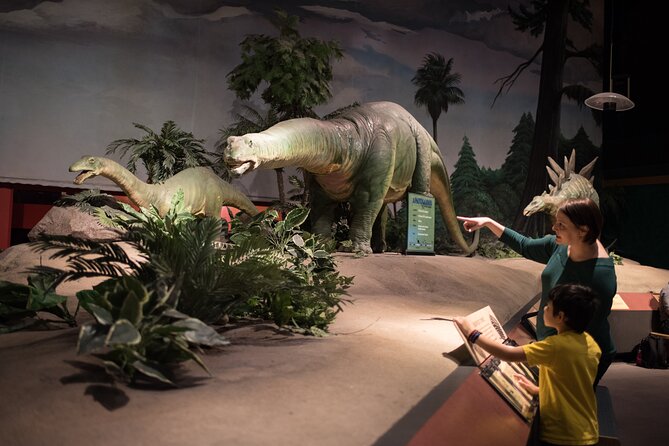
- Robotic dinosaurs add a visual wow factor: The prehistoric area gives younger children a memorable way to think about animal behavior and habitats.
- General admission is not an all-inclusive ticket: IMAX, planetarium programs, and daytime laser shows require additional tickets.
- Plan on two to three hours: Families may stay longer, but adults and older children may finish the permanent exhibits sooner.
What your $33.75 ticket actually covers
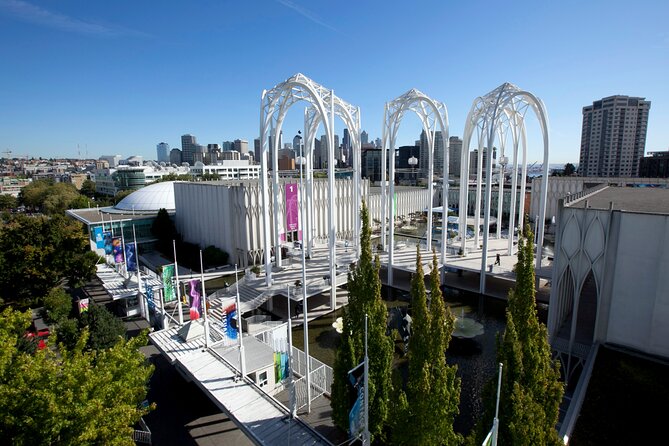
At $33.75 per person, this is not a bargain basement attraction, but it gives you access to many exhibit areas in one central Seattle stop. That matters if you are looking for an indoor activity that can fill part of a day without committing to a single subject.
Your ticket covers general exhibit admission and local taxes. It does not cover an IMAX documentary, planetarium program, or daytime laser show. Those extras can change the cost quickly, so I would decide in advance how much of your budget you want to put toward add-on entertainment.
The value depends strongly on your group. A four-year-old who loves dinosaurs, animals, and buttons may get more from the ticket than a solo adult who has visited large, modern science museums. Families with children under 12 are the clearest match, while adults should come for a specific reason, such as the butterflies, tide pool, or IMAX theater.
I would also think about how long you plan to stay. If you only have an hour, the price may feel high. If you spend several hours moving through the exhibits, watch a scheduled science presentation, and add a separate film or show, the cost makes more sense.
More attraction tickets and passes in Seattle:
- Seattle CityPASS®: Save up to 46% at 5 Top Attractions
★ 4.6 · 742 reviews - Sky View Observatory at the Columbia Center Admission Tickets
★ 3.0 · 189 reviews - Skip the Line: Daily Admission at Woodland Park Zoo Ticket
★ 4.5 · 136 reviews
Start with the Tropical Butterfly House
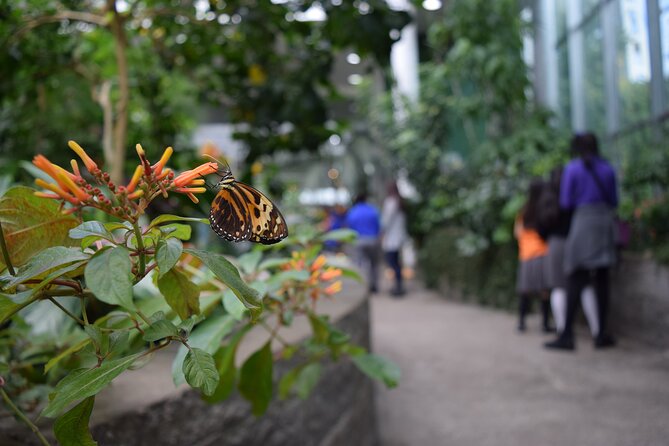
The Tropical Butterfly House gives the visit an immediate change of pace. Instead of entering another room of machines and panels, you walk into a lush garden setting where hundreds of butterflies fly freely around you.
This is a strong stop for children because the experience is easy to understand without a long explanation. You can watch butterflies move from plant to plant, look closely at their colors and shapes, and talk about the conditions they need to live. The setting also gives adults something pleasant to enjoy while children move at their own pace.
The butterfly house is worth making time for even if you are not planning a full afternoon. It is one of the center’s more distinctive attractions, and it adds a living, changing element that static displays cannot provide.
You should allow the pace to be slow here. The appeal is observation, not a fast sequence of activities. If your child is excited by every new sight, this may be the area where you spend more time than expected.
Meet Puget Sound animals at the Salt Water Tide Pool
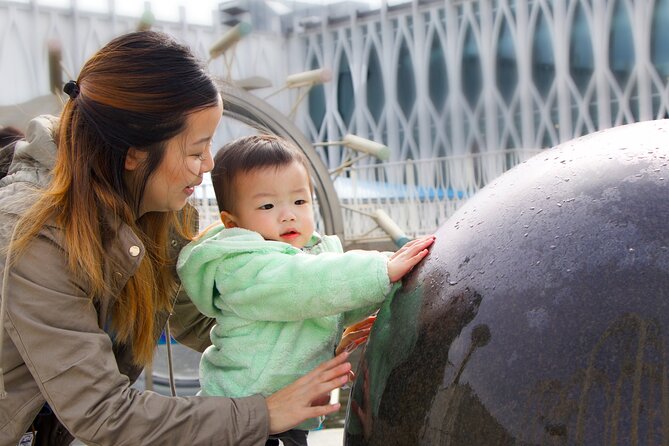
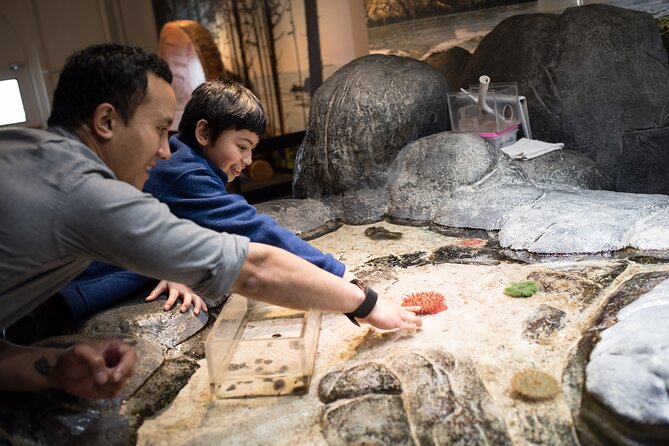
The Salt Water Tide Pool connects the science center to Seattle’s nearby waters. You can interact with animals from Puget Sound, feel their textures, and learn how they live together in a shared ecosystem.
I like this part because it makes local nature easier to understand. Instead of treating marine life as something far away, it focuses attention on the waters around the city. A child who has just watched fish or boats on Puget Sound can make a direct connection between the exhibits and the real place outside.
The hands-on element matters. Feeling an animal’s texture can turn a short explanation about habitat into something memorable. It also gives parents a natural opening to talk about how different animals depend on the same water and shoreline.
This is not a substitute for a full aquarium visit. The information provided describes a tide-pool experience, not a large aquarium collection. If you want many species, big tanks, or a long marine-life program, set your expectations accordingly.
Build and test ideas in Tinker Tank
Tinker Tank is the center’s makerspace, with hands-on engineering and design challenges. You can try to make something work, change your approach, and test the result.
That process is more useful than a display that only gives you the correct answer. Children learn that a failed design is part of the activity, not the end of it. I would give this area extra time if your child likes building, taking things apart, or asking why something works.
Tinker Tank can also help older children stay engaged when the dinosaur displays or simpler exhibits feel too young. It is still presented as a hands-on activity, so the level of challenge may depend on what is available during your visit. The available information does not provide a detailed list of projects or age bands.
For parents, this is a good place to step back. Let your child make a choice, test it, and try again. You do not need to turn every station into a lesson. The value comes from the act of experimenting.
More museum tickets in Seattle:
- The Museum of Flight Entrance Ticket
★ 5.0 · 477 reviews - Seattle: Seattle Art Museum Admission Ticket
★ 4.8 · 67 reviews - Seattle: The Museum of Flight Entry Ticket
★ 4.6 · 24 reviews - Museum of Illusions Seattle Admission Ticket
★ 4.0 · 9 reviews
Walk among robotic dinosaurs
The prehistoric area features roaring robotic dinosaurs, with information about their habitats and behavior. For young children, this may be the most instantly exciting section of the center.
The appeal is clear: the dinosaurs provide movement, sound, and scale, while the surrounding information gives the display a science purpose. A child can enjoy the spectacle and still learn about how these animals may have lived.
Expectations matter here. Some visitors have found the dinosaur section less impressive than they hoped, especially if they have seen large, recently updated dinosaur exhibitions. I would treat this as one stop within a larger science center, not as a stand-alone dinosaur museum.
It works best as part of a route through the building. Pair it with Tinker Tank or the live experiments so your child moves from watching dinosaurs to testing ideas and asking questions.
Catch a live science experiment
Live science experiments add a shared, scheduled moment to the visit. Rather than moving independently among exhibits, you can watch science demonstrated in front of you and follow an explanation as it happens.
The available information does not specify the exact experiment schedule, so check what is offered on your date. That uncertainty is worth noting because a live program may be a highlight for one family and unavailable for another.
I like the balance this creates. The interactive exhibits let you set your own pace, while a live demonstration gives you a reason to pause and focus. If you are visiting with several children, a scheduled activity can also help bring everyone together.
Do not build your entire day around one program unless the center confirms the time. Treat it as an extra opportunity within your general admission visit.
Add IMAX, planetarium, or laser-show tickets with care
General admission does not include everything at the Pacific Science Center. IMAX documentaries cost extra, and planetarium and daytime laser-show tickets can be purchased during your visit if space is available.
The IMAX theater received particularly strong praise for its movie experience and friendly staff. If you enjoy large-format films, this may be the best add-on for an adult or older child who finds the permanent exhibits too simple. It also gives the visit a more polished, sit-down feature after several hours of moving around.
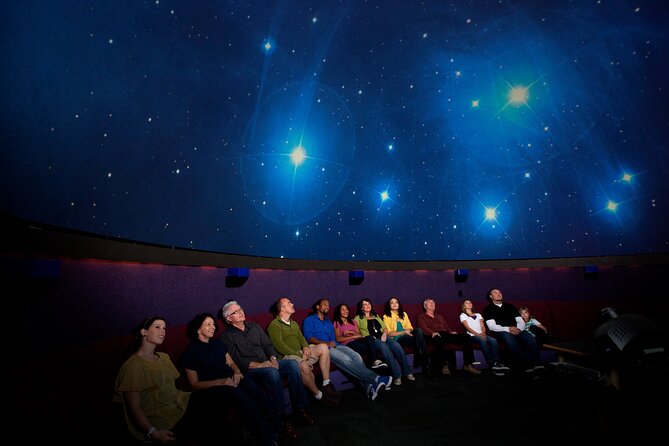
The planetarium and laser show are more dependent on personal taste. Some visitors have enjoyed them, while others found the planetarium basic or the laser show uncomfortable for sensitive eyes. I would check the current program before paying extra, especially if you are choosing between several activities.
Availability varies, so you cannot assume that every show will be running when you arrive. The practical approach is to enter with general admission, see what times are offered, and then decide if an add-on fits your schedule and budget.
How long to spend inside

The expected visit lasts about two to three hours. That is enough time for a first look at the major areas, including the butterfly house, tide pool, Tinker Tank, dinosaurs, and live science activities if the schedule works.
Families with very young children may take longer because each station can become a play area. One family could spend much of the day here, return after lunch, and add a planetarium program. You should not feel pressured to move quickly if your child is happily experimenting.
Older children and adults may finish faster. If you have seen many science centers, the permanent exhibits may not hold your attention for a full day. In that case, plan one or two special targets, then consider adding IMAX or another scheduled program.
A two-part visit can work well if you are allowed to re-enter under the current admission rules, but the provided information does not confirm re-entry. Check directly before making plans around leaving for lunch and returning.
Hours, location, and arrival planning
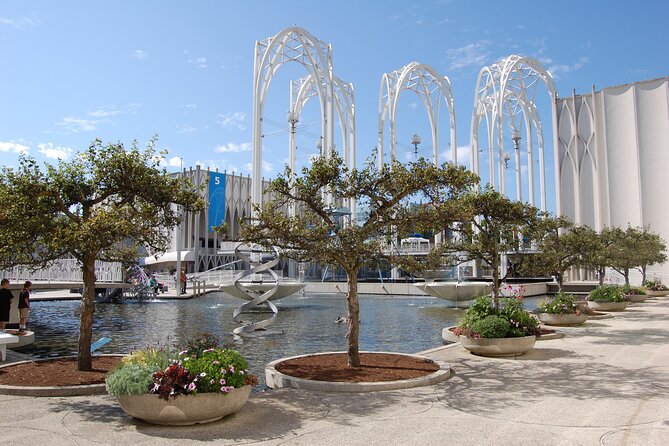
The center is near public transportation and close to Seattle’s Space Needle area, making it easy to combine with other central Seattle sights. A mobile ticket helps you arrive ready to enter, and prebooking is intended to help guarantee entry.
The listed hours are 10 a.m. to 5 p.m., Wednesday through Sunday, with last admission at 4 p.m. The center may open Monday through Sunday during school holidays and school breaks. Hours can change, so check the official website before setting out.
Arriving near opening gives you more time and may make it easier to visit the butterfly house and popular hands-on areas before your group tires. If you arrive late in the afternoon, remember that last admission is at 4 p.m. Two hours may be enough for a quick visit, but it leaves little room for an extra film or show.
The parking structure has been described as pricey and tight. If you drive, factor that into the true cost and allow time to park. Public transportation is a practical alternative because the center is near transit and central attractions.
Children age 12 and under must stay with a responsible adult or legal guardian throughout the visit. Service animals are allowed, and most people can take part, though the information provided does not describe every exhibit’s physical access details.
Who will get the most from this visit
I would recommend the Pacific Science Center most strongly to families with children from preschool age through about 11. The mix of animals, dinosaurs, building challenges, and live demonstrations gives young children several ways to stay interested.
A four-year-old may be thrilled by the toddler-friendly areas and robotic dinosaurs. A six- or seven-year-old can enjoy the butterfly house, tide pool, and simple engineering activities. Older children may still have fun, but I would make Tinker Tank, IMAX, or a special program part of the plan rather than relying only on the permanent exhibits.
Adults can enjoy the center too, especially if they like natural history, hands-on learning, butterflies, or local marine life. One older visitor with an academic background found the exhibits engaging, which shows that the experience is not automatically only for small children. Still, the overall level can feel introductory.
For a solo adult, I would book only if you have a clear interest in a particular feature. The center may not offer enough depth for an adult who expects a major museum with sophisticated installations.
Practical verdict on the $33.75 admission
The ticket is easiest to justify when you want a family-friendly indoor activity near Seattle’s Space Needle and your children enjoy touching, testing, and watching things move. The butterfly house and tide pool give the visit more variety than a room full of standard science displays.
The price is harder to justify if your group is made up of adults, older teens, or experienced science-museum visitors. Some permanent displays may feel dated, and general admission excludes the IMAX, planetarium, and laser show. Those extras can be worthwhile, but they make a supposedly simple outing more expensive.
Free cancellation is available if you cancel at least 24 hours before the start time. Cancellations within 24 hours are not refunded, and changes during that period are not accepted. The stated policy also says that if the experience is canceled because of poor weather, you will be offered another date or a full refund, an unusual condition for an indoor attraction that is worth checking before booking.
Should you book Pacific Science Center General Exhibit Admission?
Book it if you are visiting Seattle with younger children and want several hands-on activities in one place. The Tropical Butterfly House, Salt Water Tide Pool, and Tinker Tank give you a useful mix of living science, local ecology, and practical experiments.
Think twice if you are a solo adult or an older child expecting cutting-edge exhibits. In that case, the IMAX theater may be the strongest reason to go, but it costs extra. For the best value, arrive early, focus on the areas that match your interests, and decide on planetarium or film tickets only after you see the day’s schedule.
FAQ
How much does general admission cost?
General admission costs $33.75 per person, including local taxes.
What does the general admission ticket include?
It includes admission to the Pacific Science Center’s general exhibit areas and local taxes.
Does the ticket include an IMAX documentary?
No. IMAX tickets cost extra and may be purchased at the ticket booth.
Are planetarium and daytime laser-show tickets included?
No. Planetarium and daytime laser-show tickets are separate and can be booked during your visit, subject to availability.
How long does a visit usually take?
The expected visit lasts about two to three hours, though some families may stay longer.
What are the opening hours?
The listed hours are Wednesday through Sunday, 10 a.m. to 5 p.m., with last admission at 4 p.m. The center may open every day during school holidays and breaks. Check the official website for current hours.
Can children visit without an adult?
Children age 12 and under must be accompanied by a responsible adult or legal guardian throughout the visit.
Is the center accessible by public transportation?
Yes. The Pacific Science Center is near public transportation.
Can I cancel for a full refund?
Yes, if you cancel at least 24 hours before the experience start time. Cancellations or changes made less than 24 hours before the start time are not refunded or accepted.
Recently added around Seattle
- One – Way Transfer from Pier 66 to SeaTac international Airport★ 3.5 · 3 reviews
- Where the Hops Grow! Yakima Brewery Tour★ 5.0 · 3 reviews
- Winter Day Tour to Longmire on Mount Rainier from Seattle★ 5.0 · 4 reviews
- Yellowstone Grand Teton and Coeur d’Alene 5-Day Tour from Seattle★ 5.0 · 5 reviews
- Food Tasting & Arts Tour of Pike Place Market★ 5.0 · 27 reviews
- Private Cascade Mountains and Waterfalls Tour from Seattle★ 5.0 · 6 reviews
- Awesome Scavenger Hunt: Seattle By The Sound★ 3.5 · 3 reviews
- Enjoy Woodinville Winery area by Chauffeured Private Vehicle★ 3.5 · 5 reviews
Seattle Museum Tickets, compared.






Browse the lists this tour appears in