
Reviewed · SEATTLE MUSEUM TICKETS
Seattle: National Nordic Museum Entry Ticket
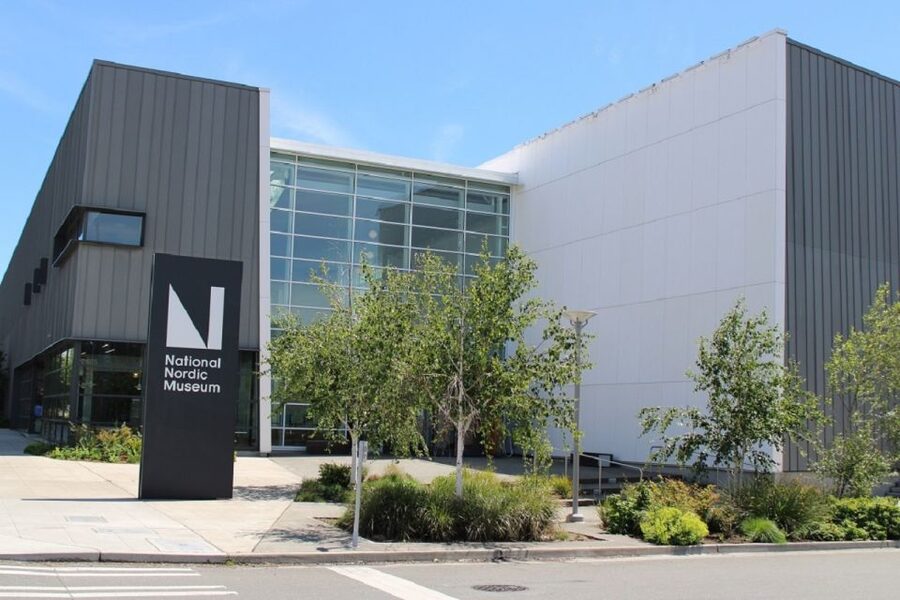
Seattle’s National Nordic Museum turns a museum visit into a journey across 12,000 years of Nordic life. You’ll move from ancient tools and Viking burial objects to modern design, immigrant stories, and the culture of Denmark, Finland, Iceland, Norway, Sweden, Sápmi, and the Nordic islands.
I like the museum’s self-guided pace, which lets you linger over objects that catch your eye. I also like the setting in Ballard, where you can pair the museum with coffee, restaurants, and a walk through one of Seattle’s most distinctive neighborhoods. The main drawback is that some visiting exhibitions and busy family periods can make the galleries noisier than you might prefer.
Key points
- Twelve thousand years in one visit: Follow Nordic culture from prehistoric tools and Viking objects to twentieth-century design.
- Five countries and several cultural regions: See Denmark, Finland, Iceland, Norway, Sweden, the Faroe Islands, Greenland, the Åland Islands, and Sápmi represented.
- A strong Seattle connection: Learn how Nordic immigration shaped Ballard and influenced the wider Pacific Northwest.
- Nearly 80,000 objects in the collection: The permanent displays include everyday objects, religious pieces, work tools, clothing, and design.
- Good value for a flexible day: The $20 admission covers the permanent galleries and current visiting exhibitions, with same-day reentry.
- A useful Ballard pairing: The museum’s Freya café and the surrounding neighborhood make it easy to build a half-day or full-day outing.
Start with Nordic Journeys
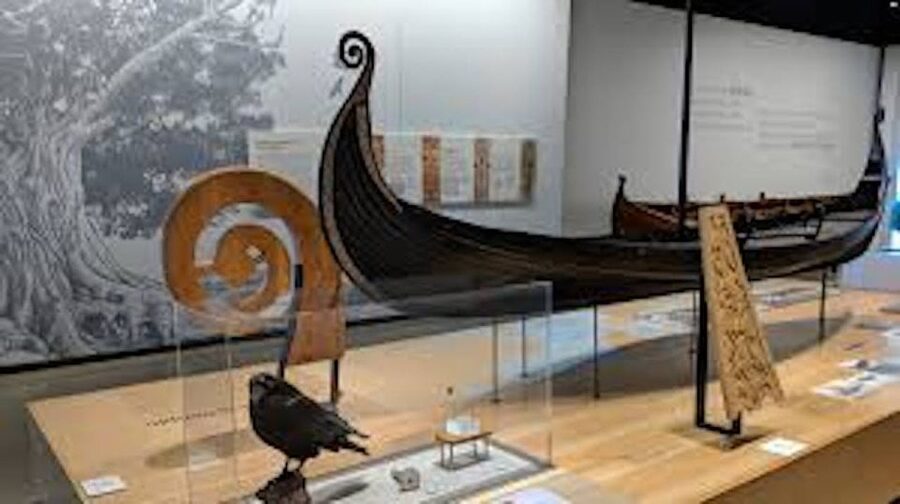
The main attraction is Nordic Journeys, the museum’s permanent exhibition. It is not simply a display of old objects from five separate countries. The galleries connect the Nordic region through shared ideas about nature, social justice, curiosity, and openness to new thinking.
That approach helps you understand why the museum belongs in Seattle. Nordic immigration was not a side note in the city’s story. People from Denmark, Finland, Iceland, Norway, and Sweden settled in the Pacific Northwest, including Ballard, and helped shape local work, business, arts, and community life.
You’ll see Nordic culture presented as both old and current. A stone tool may sit within the same broad story as a clean-lined modern design object. Traditional household items can help explain how people lived, worked, and adapted to difficult conditions, while contemporary art shows that Nordic culture is not frozen in the past.
Plan on moving slowly. The museum is easy to visit at your own speed, and you do not need to follow every label with equal intensity. I would give the earliest displays a careful look, then spend more time in the sections that match your interests, such as migration, design, religion, or Indigenous Sámi culture.
More museum tickets in Seattle:
- The Museum of Flight Entrance Ticket
★ 5.0 · 477 reviews - Seattle: Seattle Art Museum Admission Ticket
★ 4.8 · 67 reviews - Seattle: The Museum of Flight Entry Ticket
★ 4.6 · 24 reviews
Ancient tools, Viking objects, and Christian relics
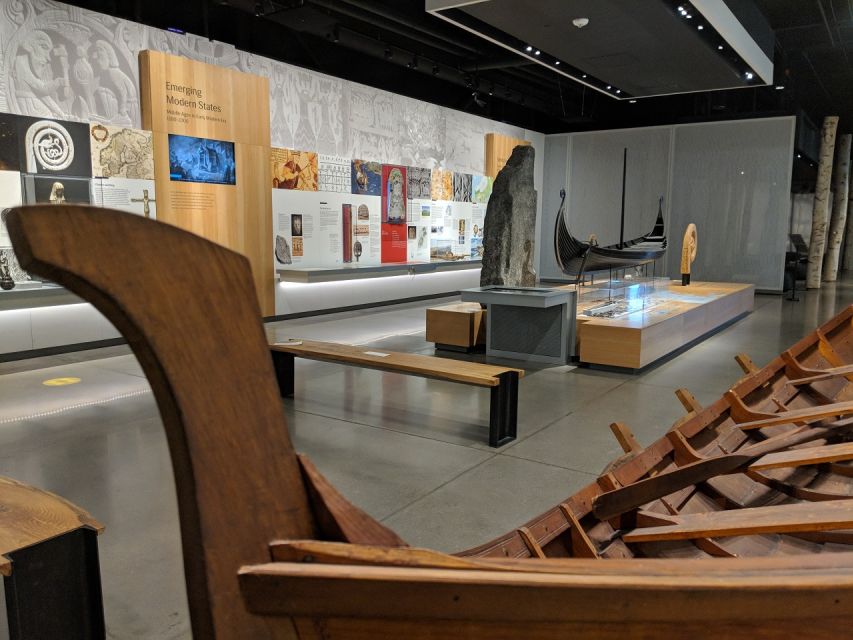
The oldest material gives the museum its long reach. Utilitarian stone axes and tools more than 4,000 years old show how much of human life was built around practical needs: cutting, building, farming, hunting, and survival.
These pieces may not have the instant drama of a Viking sword, but they are useful reminders that Nordic history began long before the Viking age. Look at them as evidence of daily work. Their plain appearance is part of the point.
The Viking grave contents provide a stronger visual hook. A grave can tell you about status, belief, travel, craft, and the objects people felt were important enough to carry into death. You should allow time for the labels here, since the meaning often matters as much as the object itself.
Another section follows the Christianization of the Nordic region through rare religious items. This part adds tension to the story. Older beliefs did not simply vanish overnight, and religious change affected art, customs, power, and daily life.
The museum’s strength is its range. You are not shown only the heroic image of explorers and warriors. You also meet workers, families, religious communities, craftspeople, emigrants, and Indigenous peoples.
Sápmi, the Nordic islands, and a wider definition of Nordic culture
Nordic Journeys includes more than the five familiar national labels. The exhibition also covers the Faroe Islands, Greenland, the Åland Islands, and Sápmi, the cultural region associated with the Indigenous Sámi people.
That broader frame matters. It prevents the Nordic world from being reduced to Scandinavian kings, minimalist furniture, and Viking stories. You’ll encounter ancient nomadic and contemporary semi-nomadic peoples, each with their own relationship to land, work, movement, and community.
The autonomous territories also add needed variety. The Faroe Islands, Greenland, and the Åland Islands have distinct identities, even as they connect to the larger Nordic region. If you arrive expecting one single Nordic culture, the exhibition will give you a more accurate and varied picture.
I especially like this part for visitors who already know the famous names and symbols of Nordic culture. It provides a fuller view, with space for communities and places that are often left out of a quick introduction.
From home and work to modern design
The museum does not treat history as a procession of grand events. Many objects come from ordinary life at home and at work. Household belongings, clothing, tools, and practical objects show how people cooked, traveled, worshiped, earned a living, and organized family life.
This is where the display becomes especially approachable. You do not need a specialist background to understand the usefulness of a tool or the care put into a household object. The items give you a direct connection to people who lived in a different time but faced familiar needs.
The twentieth-century modern design section offers a sharp change in mood. Nordic design is often associated with clean forms and practical beauty, and the museum gives that reputation historical context. You can see how design grew from real concerns about usefulness, materials, domestic life, and access to good objects.
Do not rush from the Viking material to the design displays. The contrast is part of the experience. It shows how Nordic identity has continued to change rather than remaining fixed in a romantic past.
More museums in Seattle:
- Museum of Illusions Seattle Admission Ticket
★ 4.0 · 9 reviews - All Day VIP Pass to Original Selfie Museum Seattle
★ 4.5 · 6 reviews - Seattle: Museum of Illusions Entry Ticket
★ 4.3 · 6 reviews - Snoqualmie Fall & Railway Museum 3-Hours (Private Tour)
★ 5.0 · 4 reviews
Nordic immigration and Seattle’s Ballard neighborhood
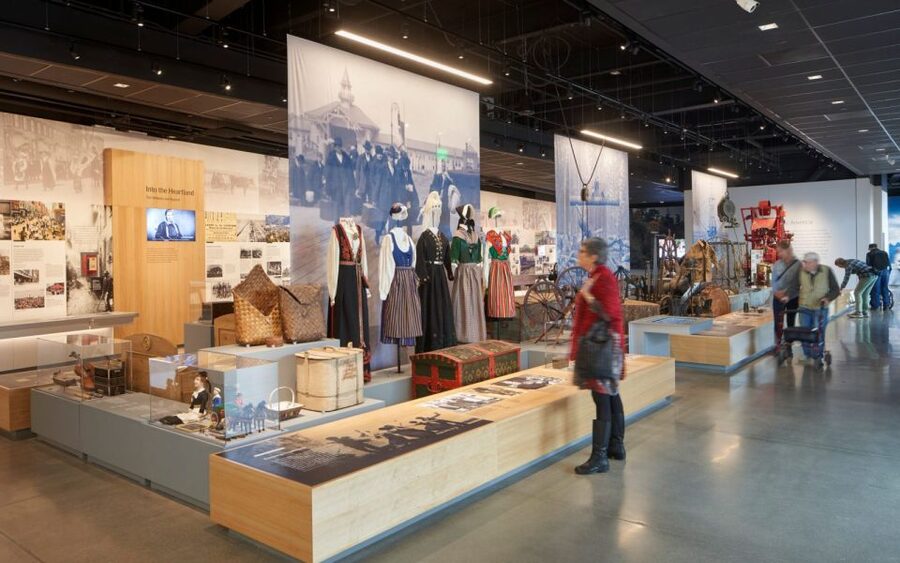
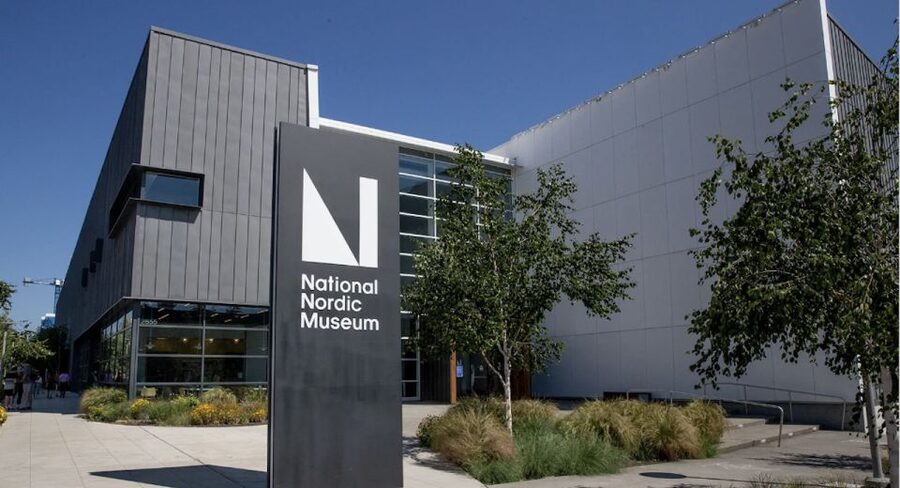
The museum’s location is one of its biggest advantages. Ballard gives the subject matter a real sense of place. You are not learning about Nordic immigration in an isolated downtown gallery. You are in a Seattle neighborhood connected to that story.
The immigration displays explain how millions of people left the Nordic region for North America, with many settling in the Pacific Northwest. The focus then narrows to the people who made new homes in Ballard and helped shape the city.
This section links personal choices to Seattle’s growth. Migration affected business, culture, labor, and the city’s identity as a regional and national leader in arts and commerce. The story feels more useful when you connect it to the streets outside the museum.
Give yourself time to think about what emigrating meant. It was not merely a move to a new address. It involved work, language, family, faith, identity, and the challenge of adapting while keeping older traditions alive.
After the museum, Ballard makes a natural continuation of the visit. You can stop at the onsite Freya café or head into the neighborhood for coffee and a meal. The museum does not require you to turn the day into a long planned excursion. Its location makes a relaxed half-day possible, while the amount of material can easily fill a full day.
Visiting exhibitions add a changing reason to return
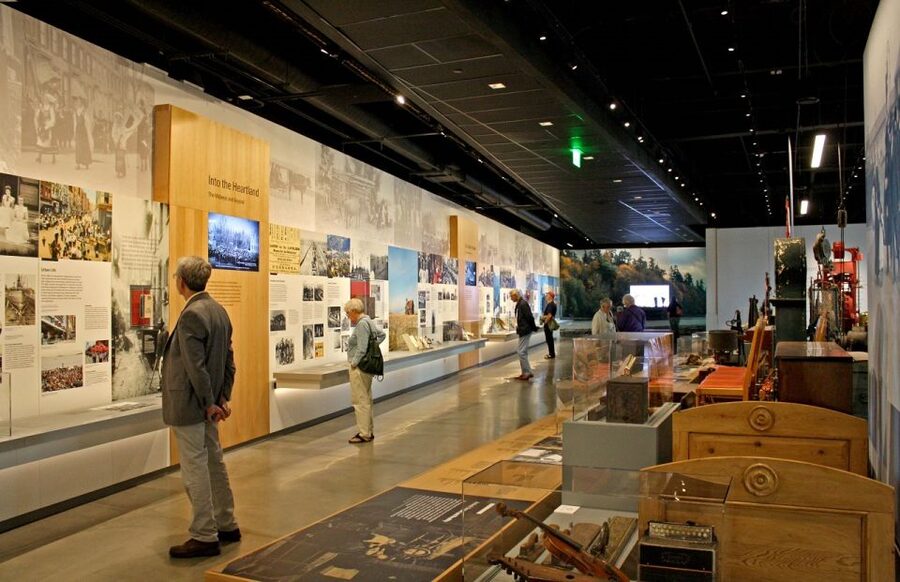
General admission includes current visiting exhibitions as well as Nordic Journeys. These displays draw from contemporary artists and collections held by leading Nordic institutions, so the museum experience can change from one visit to the next.
A previous exhibition by Jónsi used a dark room, ocean sounds, and sea smells to create an atmospheric presentation. That example shows how the museum can move beyond glass cases and written panels. Visiting art may be more sensory and experimental than the permanent collection.
You should check what is on during your visit if a particular exhibition matters to you. The $20 ticket includes the exhibitions being shown that day, but the exact program can change.
The changing displays also make the museum worthwhile for repeat visits. Your first trip can focus on Nordic Journeys and immigration. A later visit may be shaped by contemporary art, design, photography, or a loan exhibition from one of the Nordic national museums.
How long to spend and how to plan your visit
The admission is valid for one day, not just one entry. You can leave and return to the galleries with proof of purchase, which is helpful in Ballard. You might visit the main exhibition in the morning, take a break for lunch, then return for the sections you moved through too quickly.
That flexibility makes the $20 price more attractive. If you rush through in an hour, the ticket may feel less useful. If you take time with Nordic Journeys, visit the temporary exhibition, eat at Freya, and return to a favorite gallery, you get a solid day of museum access for a moderate admission fee.
There is no guided itinerary or named guide to keep you moving. I see that as a benefit for independent museum visitors, families with different interests, and anyone who dislikes being hurried. It also means you need to manage your own time and decide which labels deserve close attention.
The museum is wheelchair accessible. Food and drinks are not allowed in the galleries, but you can eat at Freya. Complimentary coat check is available at the admissions desk.
Leave large bags, backpacks, oversize luggage, sharp objects, and weapons at home. Personal, non-commercial photography is allowed without flash, but tripods and other large photography equipment are not permitted.
Who will enjoy this museum most
I recommend the museum to anyone interested in immigration, design, Indigenous cultures, religion, archaeology, or Seattle history. It works particularly well for visitors who like museums that connect objects to larger social questions.
Families can find plenty to look at, but the experience may be less calm during busy periods. If you want quiet reading time, go at a less crowded hour when possible. Children who enjoy Vikings, old tools, ships, exploration, or hands-on visual details may find strong points of interest, while younger children may not stay engaged with every text panel.
Design fans should allow time for the modern objects. Seattle visitors interested in local history should give the Ballard and immigration displays their full attention. The museum is also a good choice on a rainy day because the ticket allows a flexible indoor visit with a café break.
I would not choose it if you want a short, purely Viking-themed attraction. Vikings are part of the story, but the museum’s scope is much wider. The best experience comes when you are ready to see Nordic culture as a long, changing story that includes ordinary people and modern life.
Is the $20 admission worth it?
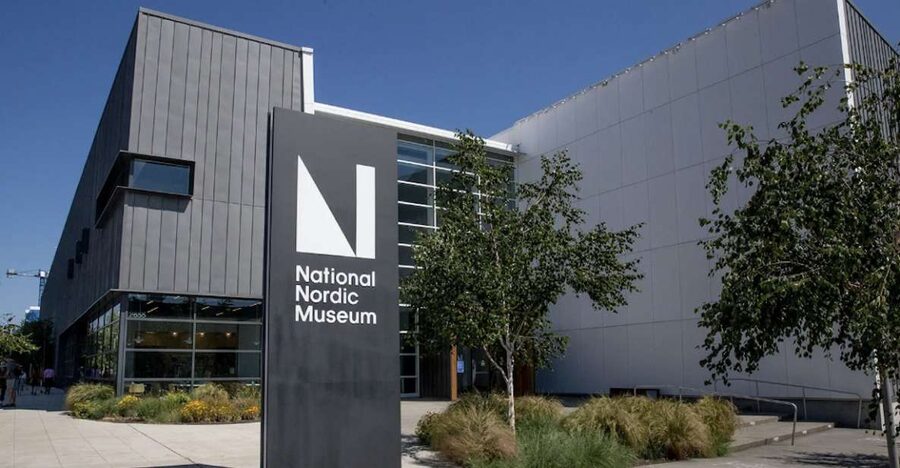
At $20, the ticket offers good value if you use the full day. You get the permanent Nordic Journeys exhibition, current visiting exhibitions, and the option to leave and return. The collection of nearly 80,000 objects gives the museum depth, even though only selected items are on display at any one time.
The price is less compelling if you plan only a quick look at the Viking material. The museum asks you to read, compare, and make connections. It rewards attention more than speed.
The Ballard location improves the value because you can combine the visit with food and coffee nearby. You are buying more than access to a set of cases. You are also getting a well-placed starting point for understanding one of Seattle’s Nordic communities.
Should you book the National Nordic Museum?
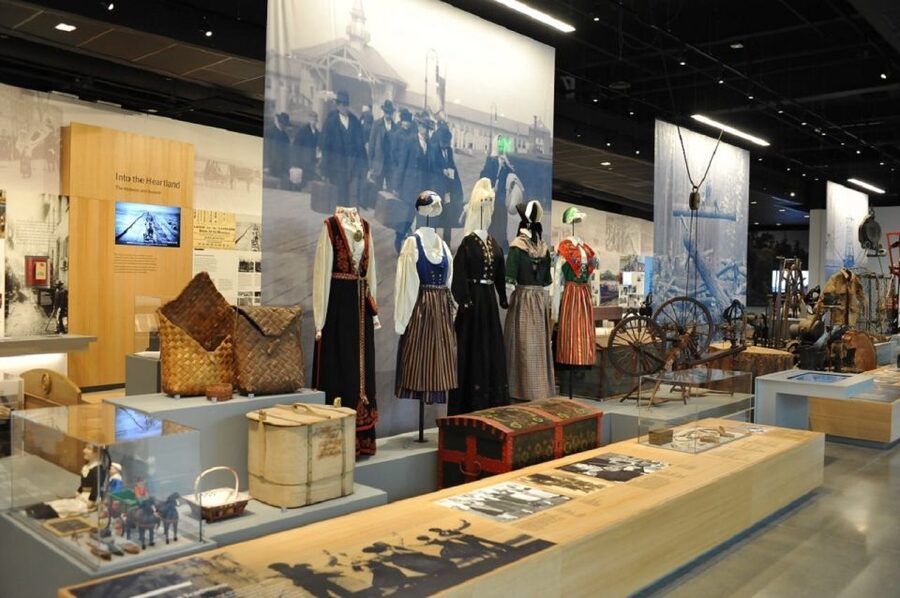
Book it if you want a thoughtful, self-guided museum visit with strong links to Seattle. The mix of ancient tools, Viking objects, Sámi culture, immigration, everyday life, design, and changing art gives you plenty to work with.
I would especially choose it on a day when you can spend several hours in Ballard rather than squeezing it between rushed downtown stops. Leave room for Freya or a neighborhood meal, and keep your ticket proof if you plan to go out and come back.
Skip it only if your time is extremely limited or you want a narrowly focused Viking attraction. For most visitors interested in culture, migration, design, and Seattle’s local story, the $20 admission is a sensible choice.
FAQ
How much does admission to the National Nordic Museum cost?
General admission costs $20 per person.
How long is the admission valid?
The ticket is valid for one day. You can leave and return to the galleries on the same day with proof of purchase.
What does general admission include?
Admission includes the permanent Nordic Journeys exhibition and current visiting exhibitions.
Is the museum wheelchair accessible?
Yes, the museum is wheelchair accessible.
Can I eat or drink inside the galleries?
No. Food and drinks are not permitted in the museum galleries, but you can eat at the onsite Freya café.
Can I take photographs inside the museum?
Yes. Personal, non-commercial photography is allowed, but you cannot use flash. Tripods and other large photography equipment are not permitted.
Can I bring a large bag or backpack?
Large bags, backpacks, and oversize luggage are not allowed. Complimentary coat check is available at the admissions desk.
Can I cancel my booking for a refund?
Yes. You can cancel up to 24 hours in advance for a full refund.
Recently added around Seattle
- One – Way Transfer from Pier 66 to SeaTac international Airport★ 3.5 · 3 reviews
- Where the Hops Grow! Yakima Brewery Tour★ 5.0 · 3 reviews
- Winter Day Tour to Longmire on Mount Rainier from Seattle★ 5.0 · 4 reviews
- Yellowstone Grand Teton and Coeur d’Alene 5-Day Tour from Seattle★ 5.0 · 5 reviews
- Food Tasting & Arts Tour of Pike Place Market★ 5.0 · 27 reviews
- Private Cascade Mountains and Waterfalls Tour from Seattle★ 5.0 · 6 reviews
- Enjoy Woodinville Winery area by Chauffeured Private Vehicle★ 3.5 · 5 reviews
- Awesome Scavenger Hunt: Seattle By The Sound★ 3.5 · 3 reviews
Seattle Museum Tickets, compared.



Pacific Science Center General Exhibit Admission
Read our review →


Browse the lists this tour appears in