
Reviewed · SEATTLE HISTORY WALKING TOURS
Welcome to Seattle Walking Tour
Seattle’s story makes more sense when you walk it from Pioneer Square to Seattle Center. This 2.5-mile route links the city’s Native roots, gold-rush ambitions, Asian American neighborhoods, public markets, World’s Fair architecture, and modern music culture. The monorail ride near the end adds a nice change of pace.
I like the mix of major sights and lesser-known stops, especially Waterfall Garden Park, Union Station’s Great Hall, Hing Hay Park, and KEXP. I also like the practical side: guides such as James answer questions, share restaurant ideas, and help you plan the rest of your time in Seattle.
The main consideration is physical. You walk for about two and a half hours, with some hills and steps, and the tour finishes several miles from where it starts. Rain is possible, and the major museums, Space Needle, stadiums, and other paid attractions are viewed from outside rather than entered.
Key points to know before booking
- A one-way walk through Seattle: Start in Pioneer Square and finish at KEXP near Seattle Center, so plan your next move from the north end.
- History beyond the usual postcard sights: You’ll cover Native history, the Great Seattle Fire, the Klondike Gold Rush, Japantown, Little Saigon, and the 1962 World’s Fair.
- A small-group feel: The maximum group size is 15, which gives you a better chance to ask questions and stay connected to the guide.
- The monorail is included: Your ticket covers the ride from Westlake Center to Seattle Center.
- Good for first-time visitors: The route gives you a useful map of central Seattle and leaves you with ideas for restaurants, museums, and later sightseeing.
- Come ready to walk: The route covers about 2.5 miles and includes some uphill sections. Comfortable shoes matter more than stylish ones.
Why this route gives you a useful first look at Seattle
Many city walks simply connect the famous sights. This one tries to explain how Seattle developed, and the order helps. You begin in the old downtown, pass through neighborhoods shaped by migration and trade, then reach Pike Place Market and the World’s Fair grounds.
That sequence gives you more than a checklist of photo stops. You see how a city built on marshy ground grew into a major port and business center, then reshaped itself around culture, sports, technology, and music.
I’d schedule this on your first day if you want help getting oriented. The walk shows you several areas you might otherwise visit separately, and the guide can point out places worth returning to. Morning and afternoon departures make it easier to fit around hotel check-in, a meal, or another reservation.
The small maximum group size is useful here. Seattle’s downtown streets can be noisy, and some stops are brief. A group of no more than 15 makes it easier to hear the guide and ask about details that catch your attention.
More history walks in Seattle:
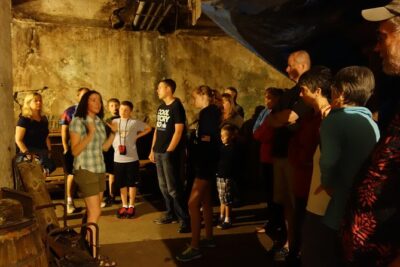
- Beneath The Streets Underground History Tour
★ 4.5 · 8,006 reviews - Seattle: Guided Underground Walking Tour
★ 4.6 · 2,144 reviews - Taste Pike Place Walking Food Tour
★ 5.0 · 930 reviews
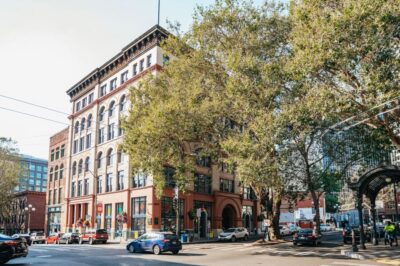
Pioneer Square starts the story
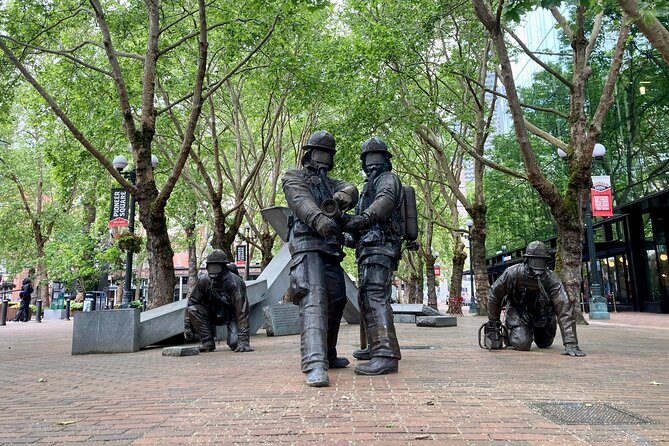
Meet at 100 Yesler Way in Pioneer Square. The opening section covers the Native people of the area, the city’s founding, and Seattle’s early years.
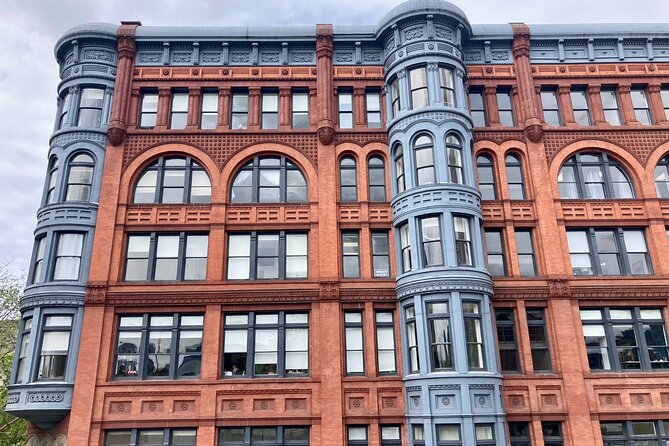
Pioneer Square is a fitting starting point because it gives you the old city in one compact district. Brick buildings, older street plans, and public art help set the scene, while the guide explains what came before the modern downtown.
From there, you pass through Occidental Park. This pleasant urban space is lined with cafes and shops, and it provides the setting for a short explanation of the Great Seattle Fire. The stop itself takes only about five minutes, so expect a quick talk rather than a long pause.
That pacing is typical of the route. You’ll keep moving, with many stops lasting five to ten minutes. You get a steady flow of information, but you should not expect extended visits inside every site.
Waterfall Garden Park and the Klondike connection
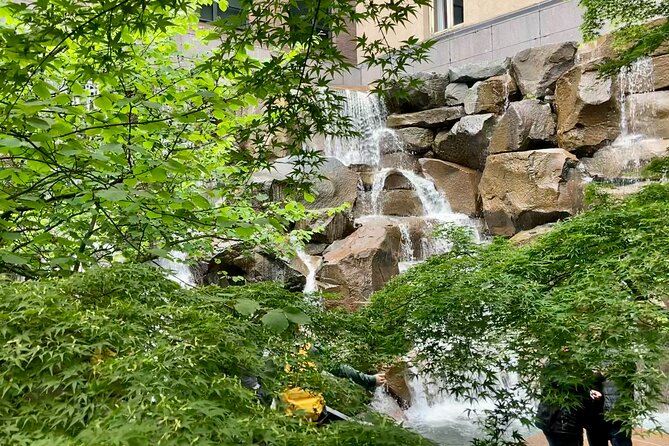
Waterfall Garden Park is one of the route’s more unusual pauses. It is a small park with a man-made waterfall, tucked into the downtown streetscape.
Here the focus shifts to the Klondike Gold Rush and Seattle’s role in it. The gold rush did more than send people north. It also brought money, shipping activity, and new business to Seattle. The tour uses this episode to show how the city learned to profit from its position as a gateway.
Admission to the park is free. You should think of it as a short scenic stop paired with a history lesson, not a full park visit. The waterfall offers a welcome break from the pavement, but you will not spend a long time there.
King Street Station and the stadium district
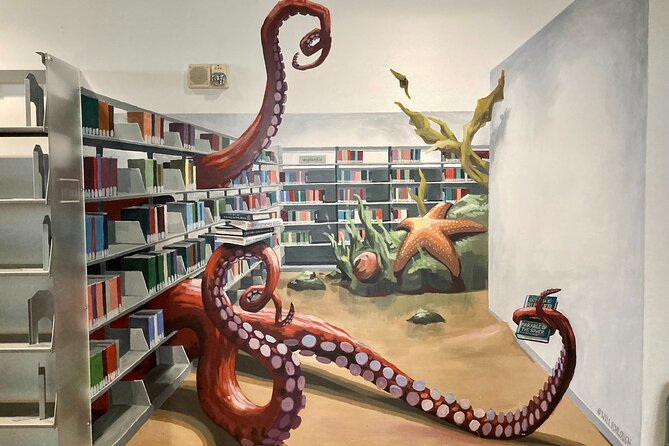
King Street Station is next, with its large clock tower and ornate interior. The tour allows about five minutes here, enough to notice the architecture and hear how rail travel shaped Seattle.
The walk then passes through SODO and the Stadium District. This is home to the Seahawks and Seattle’s soccer teams. You see the stadium area from outside, but the tour does not enter the stadiums, and admission is not included.
That distinction matters if you are hoping for a stadium tour or a game-day experience. This section is about Seattle’s changing city districts and sports culture, not a behind-the-scenes sports visit.
More walking tours in Seattle:
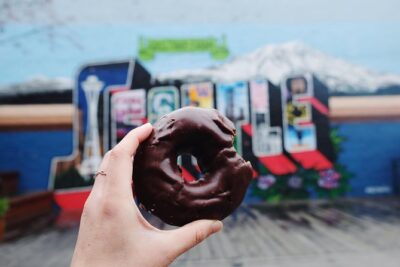
- Seattle Delicious Donut Adventure & Walking Food Tour
★ 5.0 · 772 reviews - Haunted Seattle Booze and Boos Ghost Walking Tour
★ 5.0 · 572 reviews - Seattle: Terrors and Ghosts Guided Walking Tour
★ 4.3 · 204 reviews - Seattle: Coffee Culture Walking Tour
★ 4.8 · 84 reviews
Chinatown International District, Japantown, and Little Saigon
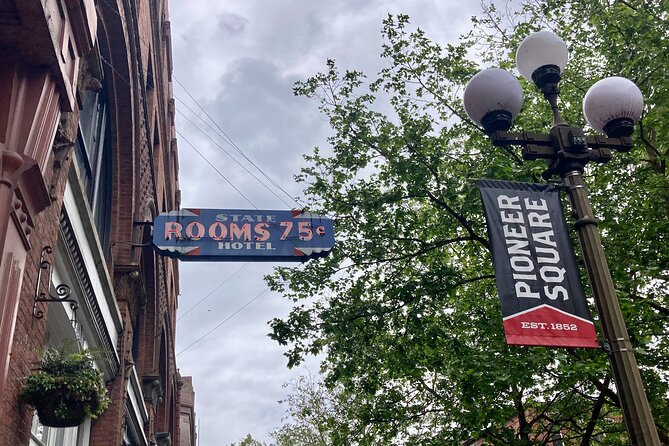
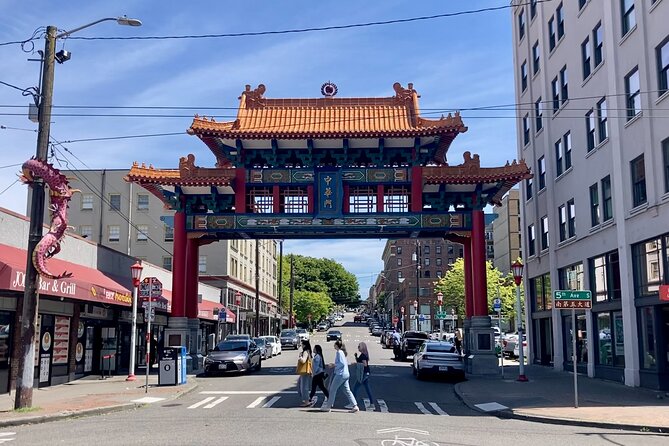
The Chinatown International District gives the tour one of its most important neighborhood sections. You’ll see the gate marking the entrance and learn about the district, Japantown, and Little Saigon.
This is valuable because Seattle’s story is not only about founders, businessmen, and civic projects. The neighborhood also opens a discussion about the communities that built businesses, cultural institutions, and family networks in the city.
At Hing Hay Park, the guide continues that neighborhood story. The stop lasts about five minutes, so listen closely and ask questions while you can. If you want a meal in this part of town, there are opportunities to buy food and drinks during the wider walk, but snacks and meals are not part of the price.
The route also passes Union Station’s Great Hall, an impressive former transportation space. You can experience the grandeur of the building without paying an entrance fee. A nearby museum is passed but not entered, and another stop features a Japantown art gallery with a difficult history.
These brief visits reward curiosity. You may want to note the names of places that interest you and return later, since the tour keeps its schedule rather than stopping for long indoor visits.
Seattle Public Library gives the walk an architectural lift
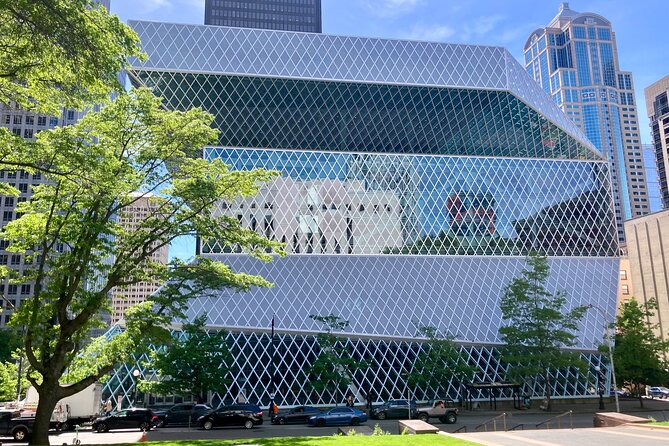
The Seattle Public Library is one of the longer stops, with about 20 minutes to view the building inside and out. Its unusual modern design gives the tour a strong change of mood after the older districts and historic buildings.
This is a good place for photos and for seeing how Seattle presents itself as a modern city. The guide can connect the building to the city’s wider public life, while you get a chance to look around instead of simply passing by.
Because this stop is longer than most, it helps break up the walking. Still, you should not mistake the visit for a full library tour. The attraction is included as a public space, and the walk continues afterward.
Pike Place Market without the long market visit

The route passes Pike Place Market and explains its history. This is one of Seattle’s essential sights, but the tour does not turn into a full food walk or cooking excursion.
You’ll get the background and a sense of where the market fits into the city. The stop lasts about ten minutes, which is enough for an introduction but not enough to sample every counter or browse at an unhurried pace.
That can be a benefit. You learn how to find the market, then return on your own when you have more time. If you want seafood, baked goods, produce, or a longer look at the stalls, plan a separate visit.
Do not book this walk expecting food to be included. You can buy snacks and drinks along the way, and the guide can suggest places to eat, but you pay for those purchases yourself.
The monorail is the route’s welcome change of pace
From Westlake Center, the group takes the iconic monorail to Seattle Center. The ticket is included, and the ride takes about 15 minutes as part of the tour.
This is a small feature, but it adds real value. After several miles on foot, riding above the downtown streets gives your legs a break and lets you experience a piece of Seattle transportation history. It also makes the route feel like a city tour rather than a long sidewalk march.
The monorail connects the older downtown sights with the 1962 World’s Fair grounds. That shift is one of the clever parts of the itinerary. You move from Seattle’s early commercial core to the futuristic civic center built to show off the city’s ambitions.
Seattle Center and the 1962 World’s Fair
At Seattle Center, the guide walks you through the grounds of the 1962 World’s Fair. Today the area holds museums, theaters, performance spaces, and the Space Needle.
The tour explains how the fair changed this part of the city and points out the major attractions. You pass the museum devoted to rock and roll, science fiction, and pop culture, which was designed by Frank Gehry. You also pass the Space Needle and the Seattle science museum, including remnants connected with the 1962 fair.
The tour does not enter these attractions, and tickets are not included. That is important for planning. If you want to visit the Space Needle or a museum, you can buy a separate ticket and go afterward. The guide can offer suggestions, but the walking tour itself continues through the grounds.
The International Fountain provides a short stop, with about two minutes to see the musical fountain. You also pass a Seattle Center food hall and a historic structure that was renovated into a modern sports and performance venue. These are quick looks, not extended indoor visits.
I like this part of the tour because it gives you a practical plan for returning. You can decide which attraction deserves your money and time instead of trying to squeeze everything into the same afternoon.
Ending at KEXP, where Seattle’s music culture feels close
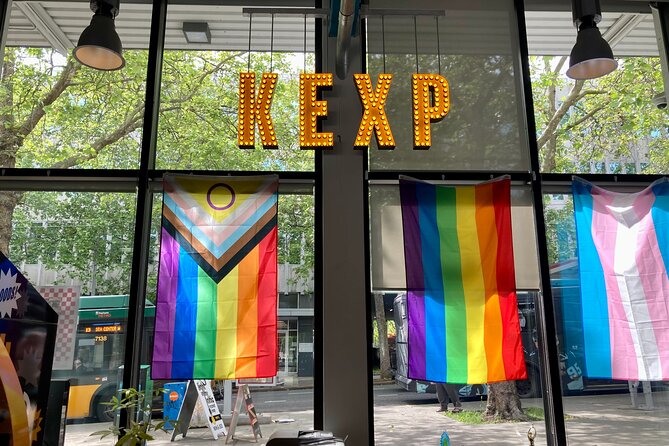
The final stop is KEXP at 472 1st Avenue North. The tour ends in the gathering space at the independent radio station, where you can buy a coffee, browse records, watch DJs in the booth, and listen to the broadcast.
If you are lucky, a local or touring band may be performing. That is not guaranteed, so treat it as a possible bonus rather than a promised concert.
Ending here is more personal than finishing at another major monument. Seattle is known for its music culture, and KEXP lets you see part of that working world. You can stay for coffee or music after the guide says goodbye, but purchases are your responsibility.
The end point also means you should think about transportation afterward. The tour begins in Pioneer Square and finishes near Seattle Center, not back at the starting point. That is convenient if you plan to visit the Space Needle or a museum next, but less convenient if your hotel is south of downtown.
How the guide shapes the experience
James is the guide most closely associated with this tour. His approach, based on the way the tour is described, is conversational and flexible. He encourages questions, makes room for photos, and offers suggestions for restaurants and other things to do.
That matters on a history walk. Seattle has plenty of dates and place names, but a good guide helps connect them to the streets you are standing on. James is also comfortable with unusual questions, which is useful when a stop sparks your curiosity.
The tour seems particularly good for solo visitors. A small group gives you company without the size and distance of a large bus excursion. Families and couples can also fit in well, especially if everyone is comfortable walking and listening for a few hours.
Price, pace, and practical value
At $44 per person, the tour is reasonably priced for a 2.5-hour small-group walk with a local guide and an included monorail ticket. You are paying mainly for interpretation and route planning, not for a stack of entrance tickets.
That is good value if you want context, orientation, and local suggestions. It is less attractive if you prefer to explore at your own speed or already know Seattle’s downtown well.
The route covers about 2.5 miles, with the remaining time spent walking between stops. Some sections are uphill, and one person described the tour as more tiring after wearing poor shoes and hiking the day before. Take that warning seriously. Wear comfortable walking shoes, bring water, and dress for Seattle’s changeable weather.
Rain does not automatically ruin the experience, but the tour requires good weather and may be canceled if conditions are poor. If that happens, you can choose another date or receive a full refund. You can also cancel for a full refund up to 24 hours before the start time. Cancellations inside 24 hours are not refunded.
The tour is offered in English, uses a mobile ticket, permits service animals, and runs near public transportation. It calls for a moderate level of physical fitness. The maximum group size is 15.
Who should book this Seattle walk
I would book this tour if you are visiting Seattle for the first time and want a clear sense of how the central districts fit together. It is also useful if you have visited before but want more local context and a few places beyond the main attractions.
It suits solo visitors, couples, families with older children, and anyone who likes to ask questions. The walk also works well as a first-day activity because the guide can help you plan later visits to Pike Place Market, the Space Needle, museums, restaurants, and Seattle Center.
I would skip it if you want long visits inside museums, a food-focused Pike Place experience, a stadium tour, or a slow photographic walk. You should also think twice if hills, steps, or 2.5 miles of walking would make the afternoon uncomfortable.
Should you book it?
Book this Seattle walking tour if you want history, neighborhoods, and orientation in one route, with the monorail and KEXP adding variety. The best value comes from the guide’s local knowledge, the small group, and the chance to ask what to do next.
Before booking, choose shoes and clothing for a real walk, not a short downtown stroll. Keep time afterward for the Space Needle or a museum, and plan your return from KEXP. For a first visit, this is a strong way to get your bearings without spending your whole day indoors.
FAQ
How long is the Seattle walking tour?
The tour lasts about 2 hours and 30 minutes. It covers approximately 2.5 miles, with the rest of the time spent walking between stops and hearing commentary.
Where does the tour start and finish?
The tour starts at Pioneer Square at 100 Yesler Way in Seattle. It ends at KEXP, located at 472 1st Avenue North near Seattle Center.
Is the monorail ride included?
Yes. The tour includes a monorail ticket for the ride from Westlake Center to Seattle Center.
Does the tour enter the Space Needle, stadiums, or museums?
No. The route passes several attractions, including the Space Needle, stadiums, museums, and a science museum, but admission to those sites is not included. You may purchase separate tickets after the walking tour.
Is food included?
No. Snacks and drinks are not included. There are several opportunities to buy food and beverages, and the guide can recommend places along the route.
What happens if I need to cancel?
You can cancel up to 24 hours before the start time for a full refund. Cancellations or changes made less than 24 hours before the tour are not refunded or accepted. If poor weather or an insufficient number of bookings causes the tour to be canceled, you can choose another date or receive a full refund.
Recently added around Seattle
- One – Way Transfer from Pier 66 to SeaTac international Airport★ 3.5 · 3 reviews
- Where the Hops Grow! Yakima Brewery Tour★ 5.0 · 3 reviews
- Winter Day Tour to Longmire on Mount Rainier from Seattle★ 5.0 · 4 reviews
- Yellowstone Grand Teton and Coeur d’Alene 5-Day Tour from Seattle★ 5.0 · 5 reviews
- Food Tasting & Arts Tour of Pike Place Market★ 5.0 · 27 reviews
- Private Cascade Mountains and Waterfalls Tour from Seattle★ 5.0 · 6 reviews
- Enjoy Woodinville Winery area by Chauffeured Private Vehicle★ 3.5 · 5 reviews
- Awesome Scavenger Hunt: Seattle By The Sound★ 3.5 · 3 reviews
Seattle History Walking Tours, compared.
Seattle Delicious Donut Adventure & Walking Food Tour
Read our review →
Haunted Seattle Booze and Boos Ghost Walking Tour
Read our review →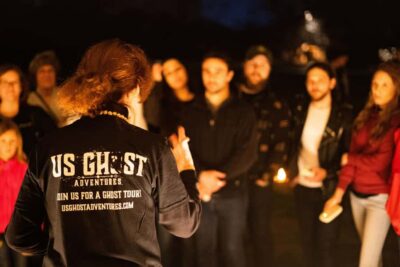
Henry Art Tours-Come See the Fun Side of Seattle Art/Pubs/History
Read our review →
Seattle Downtown Quest: Self-Guided History Adventure
Read our review →Browse the lists this tour appears in