
Reviewed · NATIONAL PARKS
7-Day Small Group Tour: Canadian Rockies and National Parks
The best thing about this seven-day trip is the sheer amount of Canadian Rockies scenery packed into one route. You move from waterfalls and wildlife country near Kamloops to Emerald Lake, Lake Louise, Moraine Lake, the Icefields Parkway, Jasper, Whistler, Vancouver, and back to Seattle. It is a big journey, not a slow one.
I like the small maximum of 14 people, which makes it easier to ask questions and adjust walks to your ability. I also like the choice between camping and three-star hotels, plus the custom touring vehicle with large viewing windows. The catch is simple: some days involve long drives, and meals are an extra charge rather than part of the $1,995 price.
Key points at a glance
- A full Rockies-to-Pacific route: See Banff, Jasper, Whistler, Vancouver, and several famous lakes in one seven-day trip.
- Small-group transport: A custom SUV or minivan, depending on group size, carries no more than 14 people.
- Two ways to sleep: Pick a six-night camping package or six nights in three-star hotels.
- Big-ticket extras cost more: Canoeing, helicopter flights over the Columbia Icefield, and Jasper biking are optional.
- Meals require planning: Add $100 per person for camping or $50 for hotel accommodation, with campsite dinners prepared together.
- Guide quality matters: Chris Patrick, Adriann, and Chris and Rachel have led highly praised departures, but your experience can depend heavily on who is driving your trip.
What $1,995 really covers
At first glance, $1,995 is a serious price. Look closer, and it buys a lot of ground: private transportation, six nights of accommodation, national park fees for Banff, Yoho, and Jasper, listed attractions, taxes, and the services of a guide.
The value is strongest if you want the route handled for you. You do not need to rent a car, study Canadian park roads, arrange separate lodging in several towns, or work out how to connect Seattle, the Rockies, Whistler, Vancouver, and Seattle. The custom vehicle also gives you a better view than a standard coach, with enlarged windows designed for sightseeing.
Still, budget beyond the headline cost. Meals are not included. The additional charge is listed as $100 per person for the camping option and $50 for the hotel option. Camping also requires your own sleeping bag and travel pillow, unless you arrange to buy or rent them. Canoeing at Lake Louise, a helicopter flight over the Columbia Icefield, and biking in Jasper cost extra.
That makes the tour a fair deal for a person who values convenience and a guided route, but less attractive if you are comfortable driving from Calgary or Vancouver and booking each night yourself. An independent road trip can give you more freedom to linger in Banff, add side trips, or choose your own restaurants.
Other Seattle outings people pair with this one:
- Beneath The Streets Underground History Tour
★ 4.5 · 8,006 reviews - Chef Guided Food Tour of Pike Place Market
★ 5.0 · 3,733 reviews - Mt. Rainier National Park Highlights Tour
★ 5.0 · 3,156 reviews
Day 1: Seattle, Bridal Veil Falls, and Kamloops
The morning begins at 7:00 a.m. from the Seattle airport area. The listed meeting information names the Best Western Seattle Airport Hotel, while the FAQ names the Red Lion Hotel Seattle Airport, so confirm the exact pickup hotel after booking. That small detail matters when you are arriving with luggage and an early departure.
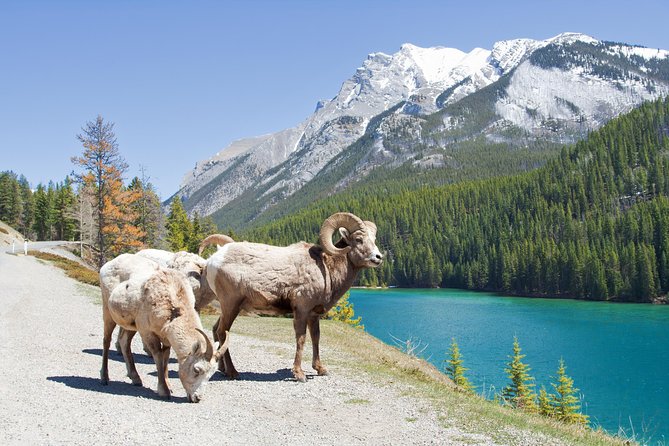
The first major stop is Bridal Veil Falls Provincial Park. The waterfall drops about 197 feet over smooth rock, creating the thin curtain effect that gives it its name. You get a short walk and a picnic stop here, a useful break after leaving Seattle and crossing into British Columbia.
The day continues toward Kamloops and the BC Wildlife Park area. This part of British Columbia is known for wide views and animals such as cougars, bears, and elk. The wildlife park stop is included, but you should think of this day mainly as a long transfer day with a few well-placed breaks.
That distinction is important. The route covers substantial distance from Seattle to Kamloops, and the scenery changes steadily outside the vehicle. If you want frequent hikes and long stays at each sight, the first day may feel road-heavy. If you like watching a region change from the window while someone else handles the driving, it gets the job done.
Day 2: Emerald Lake and the Continental Divide
Emerald Lake is one of the trip’s most rewarding stops. You have about two hours to walk around the lake or sit near the shore at the lakeside cafe. The water, mountain setting, and easy access make this a good place to enjoy the Rockies without needing a demanding hike.
You then cross Kicking Horse Pass and the Continental Divide into Alberta. Rogers Pass, in Canada’s Glacier National Park, brings broad mountain views, with peaks rising above 10,000 feet. This is one of those stretches where the vehicle’s large windows earn their keep.
The overnight is in Banff, a compact mountain town with cafes, restaurants, and some evening activity. The schedule gives you a taste of town life, but do not expect a full free evening every departure. One poor experience reported only about an hour in Banff before returning to camp, so ask your guide early how much town time is planned.
That issue points to a larger truth about this trip: the published route tells you where you go, but the guide and road conditions shape how long you stay. Good guides such as Chris Patrick or Adriann have been praised for giving people time at scenic stops, explaining the area, and helping with photographs. A less flexible guide can make the same route feel rushed.
Day 3: Lake Louise and Moraine Lake
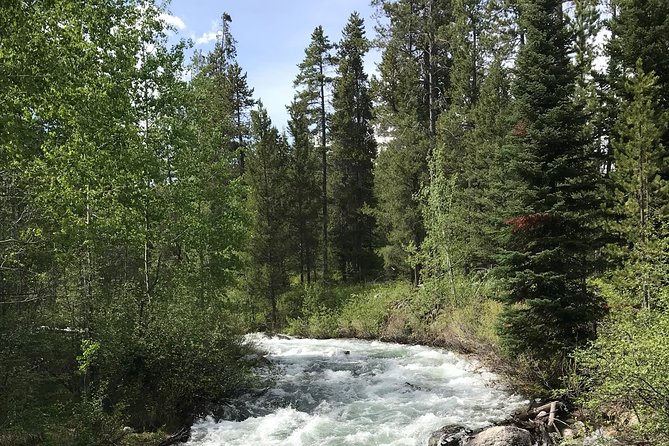
Lake Louise is the postcard stop, but it is more than a photo platform. The turquoise, glacier-fed water sits below high peaks and the grand chateau. You have about two hours, enough for a lakeshore walk and, if timing and ability allow, a start toward the Lake Agnes Tea House.
The description also allows for the Plain of Six Glaciers hike or canoeing on Lake Louise. These are very different choices. The hike gives you a closer look at the mountain setting and a higher view back toward the lake. Canoeing offers a quiet way to experience the water, but it is optional and costs extra.
Later comes Moraine Lake in the Valley of the Ten Peaks, at about 6,183 feet. This is another major photo stop, with sharp peaks rising around the water. Two hours sounds generous, but it can pass quickly if you want to walk, take pictures, and simply sit with the view.
You should arrive prepared for changeable mountain weather. Pack layers, warm socks, a waterproof sweater or hooded jacket, hiking shoes, sunscreen, a hat, and closed-toe shoes. The tour can adjust activity to your ability, but you need to be in reasonably good shape for the walking required to reach many locations.
More national park trips from Seattle:
- Best of Olympic National Park from Seattle: All-Inclusive Small-Group Day Tour
★ 5.0 · 1,006 reviews - Best of Mount Rainier National Park from Seattle: All-Inclusive Small-Group Tour
★ 5.0 · 805 reviews - Mt Rainier National Park Small Group Day Tour from Seattle 2CanGo
★ 5.0 · 641 reviews - Olympic National Park Small Group Day Tour w/Scenic Ferry 2CanGo
★ 4.5 · 624 reviews
Day 4: The Icefields Parkway
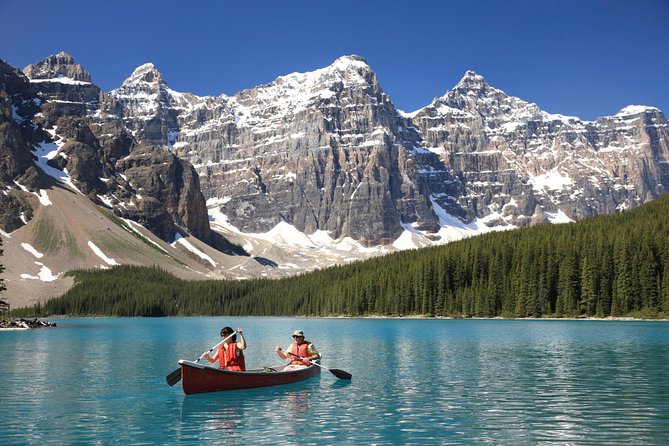
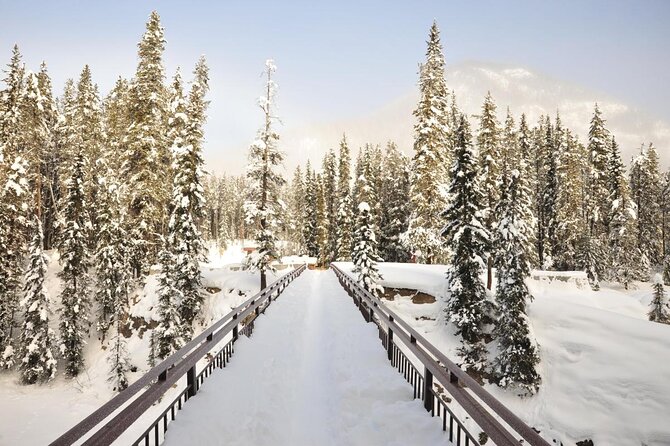
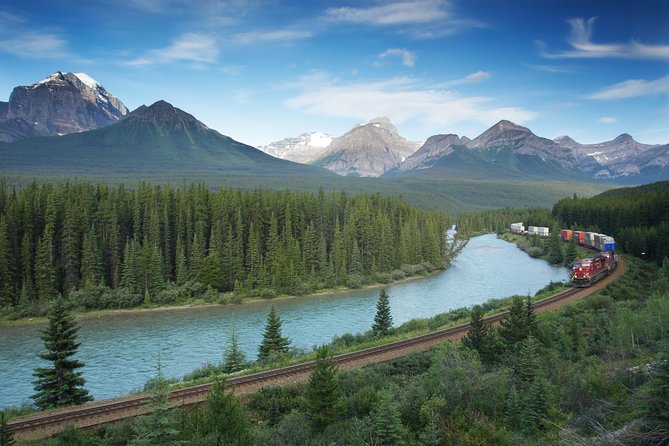
Day four is built around the Icefields Parkway, one of the great road journeys in the Canadian Rockies. The road links jagged peaks, glaciers, lakes, and possible wildlife sightings. It is also the day most likely to feel like a moving panorama rather than a string of long visits.
Stops include Bow Glacier Falls and Peyto Lake, with short walks and mountain views. The listed Bow Glacier Falls visit is about 30 minutes, and admission is not included for that stop. The schedule also presents two memorable add-ons: a helicopter flight over the Columbia Icefield or a glacier walk.
Those options can change the feel of the day, but they raise the cost. If you are deciding where to spend extra money, the glacier or helicopter experience may be the most distinctive choice on the route. Ask the operator about availability before departure rather than assuming you can add it at the last minute.
This is also a day when a good guide earns their keep. The best guides do more than point at peaks. They explain what you are seeing, choose sensible stopping points, help with photos, and keep the group moving without turning every stop into a rushed photo opportunity.
Day 5: Jasper and Mount Robson
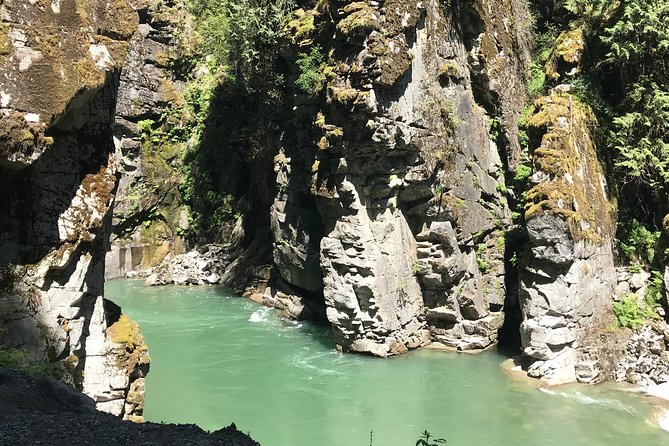
Jasper National Park brings a different mood from Banff. You get snowcapped summits, clear lakes, wildlife country, and opportunities for hiking or biking. The listed Jasper stop lasts about two hours, so you should not expect to explore the entire park. Think of it as a focused introduction.
Biking is optional and costs extra. It may suit you if you want something more active than another short walk, but it needs to fit the day’s schedule. The route then follows the Yellowhead Highway toward Clearwater, passing Mount Robson, the highest point in the Canadian Rockies.
This is another long driving section. One strength of the tour is that you see far more than you could comfortably manage through separate day trips. The tradeoff is that you spend less time in any one park. People who want a slow Jasper stay, several full hikes, or multiple nights in Banff may prefer a self-drive plan.
Day 6: Whistler and the Sea to Sky country
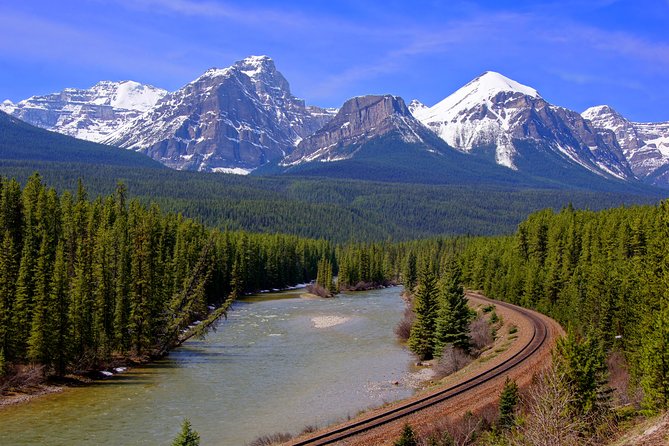
Whistler gives you a change of pace. After several days of parks and mountain roads, you have about six hours free in a ski town associated with the 2010 Vancouver Winter Olympics. You can walk around town, enjoy the mountain setting, and choose your own pace for much of the day.
The schedule calls Whistler a free exploration stop, so activities and meals here are not presented as part of the package. It is a useful chance to get away from the group for a while, though the amount of free time depends on the day’s driving and schedule.
The route then continues toward Vancouver. By this point, the trip has covered a remarkable distance, but fatigue is a real consideration. You will get more from Whistler if you use the preceding days to pace yourself rather than treating every short stop as a strenuous hike.
Day 7: Vancouver and the trip back to Seattle
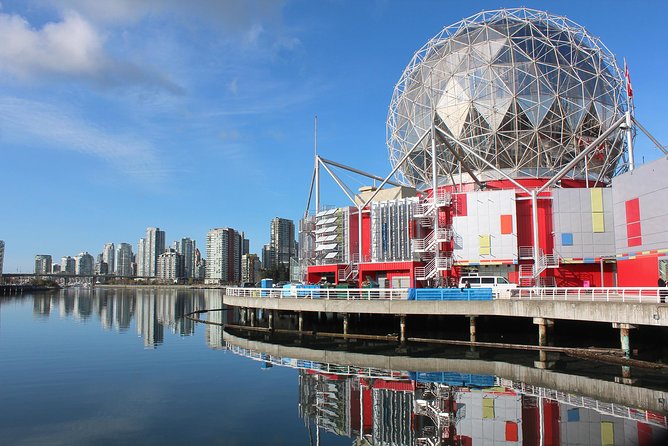
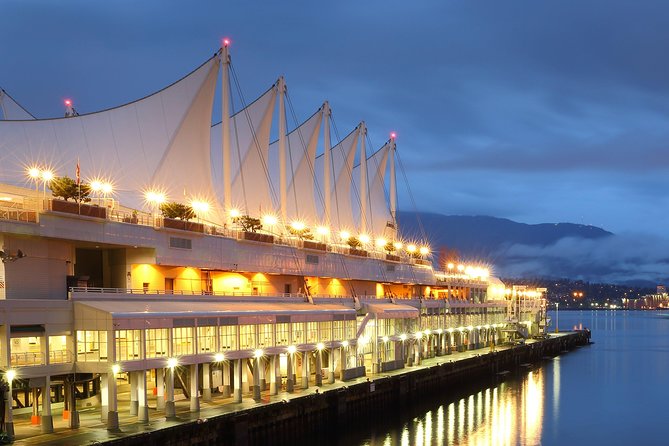
The final morning includes a four-hour Vancouver tour. Stops or views include the waterfront, Gastown, Chinatown, and Stanley Park. The trip then follows the Sea to Sky Highway and heads back to Seattle, with an evening downtown or drop-off at the departure hotel.
Four hours gives you an introduction, not a full Vancouver visit. You should not book this tour expecting time for museums, long market visits, or a relaxed city stay. The advantage is that you see several central areas before returning to Seattle without arranging another transport link.
The Vancouver portion has received mixed reactions in the supplied feedback. Some people had a thorough tour including Stanley Park, Granville Market, and Gastown, while another person felt the city portion was too brief. That difference again comes down to traffic, timing, and guide choices. If Vancouver is your main goal, add separate nights there.
Camping or hotels: choose your travel style
The camping package includes six nights, a tent for one or two people, and the needed equipment except a sleeping bag and travel pillow. Tents are described as easy to set up, and all camping gear is sanitized between trips. If you are traveling as a couple or a group of four or more, state that when booking so the operator can keep your party together.
Camping dinners are a communal effort, and participation is required. That can be part of the fun, especially if you enjoy campfire evenings and working with a small group. It can also feel like work after a long day on the road, particularly if you hoped for restaurant meals and a private evening.
The hotel package gives you six nights in three-star accommodation. It costs more in the meal supplement but removes much of the camping labor. Lodging is normally arranged for two people per room, and an odd-numbered group may have one room shared by three people.
Neither option makes this a luxury trip. Camping offers closeness to the outdoors and lower accommodation costs. Hotels offer more comfort and less equipment to pack. I would choose camping only if you genuinely enjoy shared meals, changing weather, and pitching a tent. Choose hotels if sleep and recovery matter more than camp atmosphere.
Food, luggage, and what to pack
Breakfast, lunch, and dinner are supplied on most days after you pay the added meal charge. Vegetarian diets and other dietary needs can be handled if you note them at checkout. Bottled water is not supplied, so bring a refillable container. Refills are available during comfort stops.
Pack light. The allowance is one piece of luggage and one small carry-on, with a total luggage limit of 44 pounds, or 20 kilograms. Layers are more useful than one heavy coat because the tour can encounter warm and cool conditions in the same week.
Bring hiking shoes, closed-toe shoes, warm socks, sunscreen, a hat, and waterproof outerwear. Camping people need a sleeping bag and travel pillow, or must arrange a rental or purchase stop through the guide. The vehicle has limited space, so avoid packing as if you are moving house.
How the small group changes the trip
A group of no more than 14 is a real advantage on this route. You spend less time loading a large coach, it is easier to hear the guide, and a short walk can be adjusted to suit the people present. The vehicle may be a comfortable air-conditioned SUV or minivan, depending on group size.
The tradeoff is that a small group creates a stronger social atmosphere. Camping dinners require teamwork, and even the hotel option involves spending long stretches together in a vehicle. You should be comfortable with shared decisions and changing plans.
Guide quality is especially important. Chris Patrick has been praised for safe driving, care for the group, stories, and area information. Adriann has been credited with spending time at stops and helping people take photographs. Chris and Rachel have also led well-organized trips. These names are useful reference points, but your assigned guide may be different.
Who should book this trip?
Book it if you want the Canadian Rockies without handling a complicated rental-car route. It suits people who enjoy mountain scenery, short walks, long scenic drives, and a friendly small-group setting. Families can bring children from age seven, provided anyone under 17 travels with an adult.
It is also a good fit if you want to combine national parks with Whistler and Vancouver. Few seven-day packages connect all those places from Seattle while including park fees and accommodation.
Think twice if you want long hikes, spontaneous restaurant stops, or several days in one town. The route is ambitious, and some days are mostly driving. The meal supplement, optional activities, and camping equipment needs also make the real cost higher than $1,995.
My practical advice is to choose the hotel package if you are unsure about camping, bring a refillable water bottle, confirm the Seattle pickup hotel, and ask how much free time is planned in Banff and Vancouver. If those limits suit you, this is a strong way to see a huge portion of western Canada in one organized week.
FAQ
Where does the tour start and finish?
The tour starts in the Seattle airport area at 7:00 a.m. and ends back at the meeting point after returning from Canada. The supplied information names both the Best Western Seattle Airport Hotel and the Red Lion Hotel Seattle Airport, so confirm the exact pickup location after booking.
How large is the group?
The tour has a maximum of 14 people.
Is accommodation included?
Yes. You choose between six nights of camping or six nights in three-star hotels. Camping equipment is included except for a sleeping bag and travel pillow.
Are meals included?
Meals require an additional charge. The listed cost is $100 per person for camping accommodation and $50 per person for hotel accommodation. Breakfast, lunch, and dinner are provided on most days.
Can I request vegetarian food?
Yes. Vegetarian meals and other dietary needs can be accommodated when you provide the details in the special requirements section at checkout.
What optional activities are available?
Canoeing on Lake Louise, a helicopter flight over the Columbia Icefield, and biking in Jasper National Park are optional and cost extra.
What languages are available?
Live guide commentary is in English. A free downloadable app provides full tour commentary in French, German, Spanish, and Italian.
What is the minimum age?
The minimum age is seven. Anyone under 17 must travel with an adult.
Recently added around Seattle
- One – Way Transfer from Pier 66 to SeaTac international Airport★ 3.5 · 3 reviews
- Where the Hops Grow! Yakima Brewery Tour★ 5.0 · 3 reviews
- Winter Day Tour to Longmire on Mount Rainier from Seattle★ 5.0 · 4 reviews
- Yellowstone Grand Teton and Coeur d’Alene 5-Day Tour from Seattle★ 5.0 · 5 reviews
- Food Tasting & Arts Tour of Pike Place Market★ 5.0 · 27 reviews
- Private Cascade Mountains and Waterfalls Tour from Seattle★ 5.0 · 6 reviews
- Enjoy Woodinville Winery area by Chauffeured Private Vehicle★ 3.5 · 5 reviews
- Awesome Scavenger Hunt: Seattle By The Sound★ 3.5 · 3 reviews
National Parks, compared.
Best of Olympic National Park from Seattle: All-Inclusive Small-Group Day Tour
Read our review →
Best of Mount Rainier National Park from Seattle: All-Inclusive Small-Group Tour
Read our review →
Mt Rainier National Park Small Group Day Tour from Seattle 2CanGo
Read our review →
Olympic National Park Small Group Day Tour w/Scenic Ferry 2CanGo
Read our review →
Mount Rainier National Park Day Tour from Seattle
Read our review →Browse the lists this tour appears in